






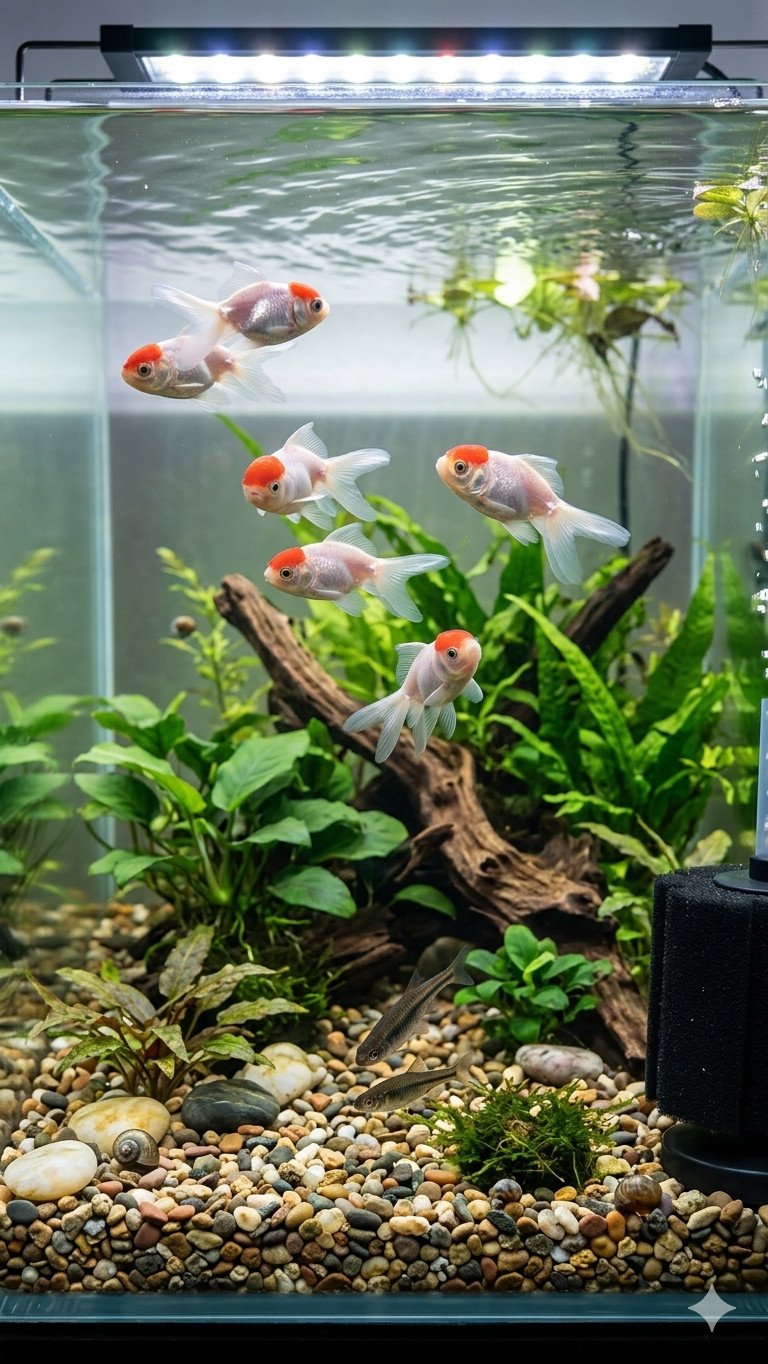
Red Cap Oranda Goldfish
The fish featured in your original aquarium photo (image 3724.jpg) are a beautiful schooling group of Red Cap Oranda Goldfish, alongside a couple of small bottom-dwelling cleaning fish (Siamese Algae Eaters) near the gravel floor. The Red Cap Oranda is one of the most iconic, classic varieties of "fancy" goldfish in the world, heavily celebrated in Asian culture as a symbol of luck and prosperity.
Appearance and Physical Features
The Crimson "Wen": Their most distinguishing characteristic is the prominent, bright orange-red growth on top of their head, known as a wen or "hood." The rest of their egg-shaped body is a stark, shimmering silvery-white, making the red cap vividly stand out.
The Developing Cap: In juvenile fish (like the ones in your original photo), the red cap starts out relatively flat and smooth. As the fish matures over its first 1–2 years, this wen will grow into a large, fleshy, raspberry-like texture.
Flowing Double Fins: Unlike streamlined common goldfish, Orandas belong to the "fancy" category. They have a round, compact body shape and elegant, split trailing fins—including a spectacular double caudal (tail) fin that fans out gracefully when they pause in the water.
Temperament and Aquarium Behavior
Gentle and Slow-Moving: Due to their round body shape and heavy fins, Red Cap Orandas are deliberate, clumsy, and slow-moving swimmers. They do not navigate fast currents well and can easily be outcompeted for food by aggressive or fast-moving fish.
Extremely Peaceful: They are completely docile, social creatures that thrive in groups. They spend their days bobbing peacefully around the middle levels of the tank or interacting with one another.
Sifting the Gravel: Much like the other fish in the tank (the small algae eaters), Orandas love to forage. They will constantly pick up mouthfuls of gravel from the floor, roll it around to suck off microscopic food or biofilm, and spit the pebbles back out.
Care and Habitat Requirements
Tank Size: Because fancy goldfish grow deceptively large—reaching 8 to 10 inches (20 to 25 cm) in length—and possess a very heavy anatomy, they need space. A minimum of 30 gallons is recommended for the first fish, with an additional 10 to 15 gallons for each extra Oranda added to the group.
Water Quality & Gentle Flow: Goldfish are messy eaters and produce a high amount of waste, requiring heavy biological filtration. However, because Orandas are poor swimmers, the filter intake and output must have a gentle flow so they aren't pushed around by a harsh current. They prefer cooler to temperate water sitting between 18°C and 23°C (65°F to 74°F).
Diet: They are omnivorous. To prevent swim bladder issues (a common problem with round-bodied fish), they should be fed high-quality sinking pellets rather than floating flakes, supplemented with soft blanched vegetables like shelled peas, spinach, and live or frozen brine shrimp.
Related products
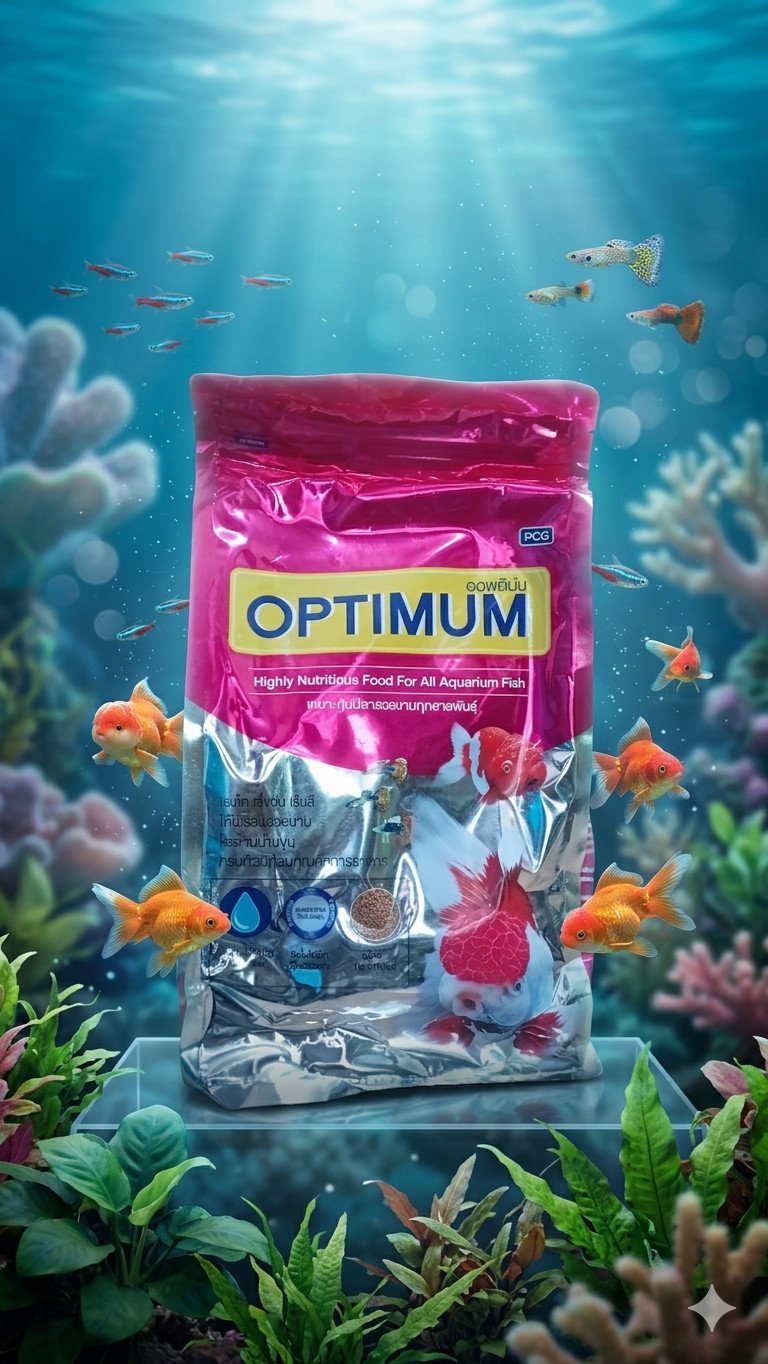
Optimum Color-Boost Mini Pellets
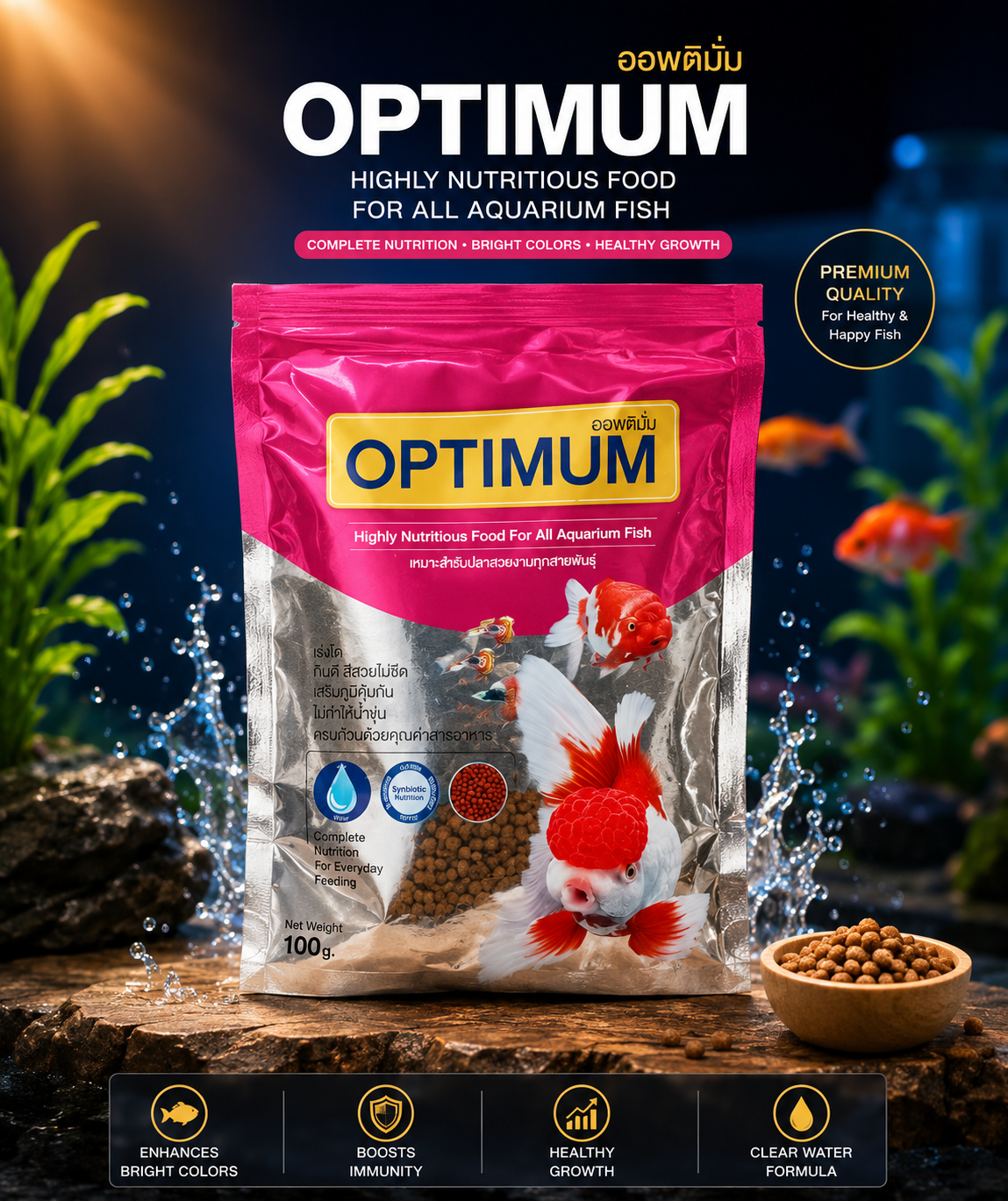
Optimum Aqua Premium Fish Food
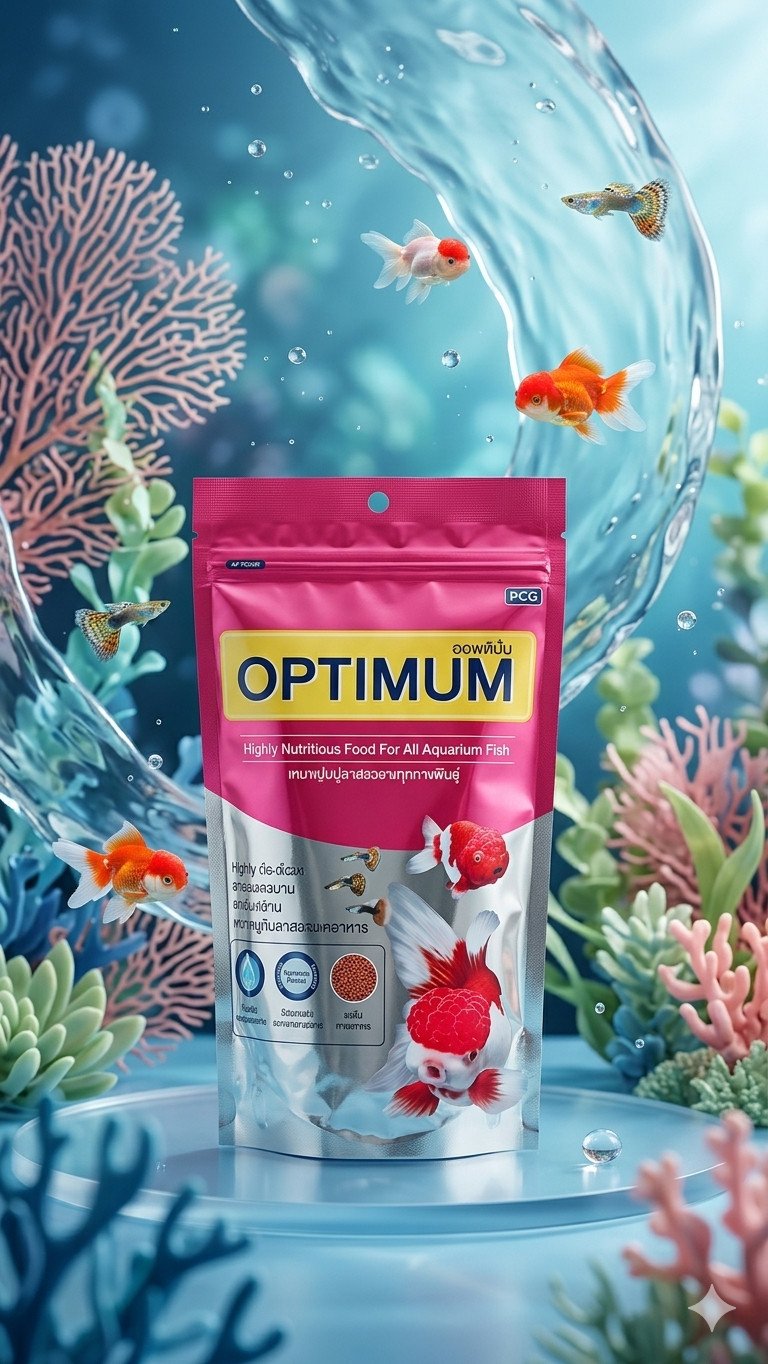
Optimum Aqua-Pure Nutritious Aquarium Diet
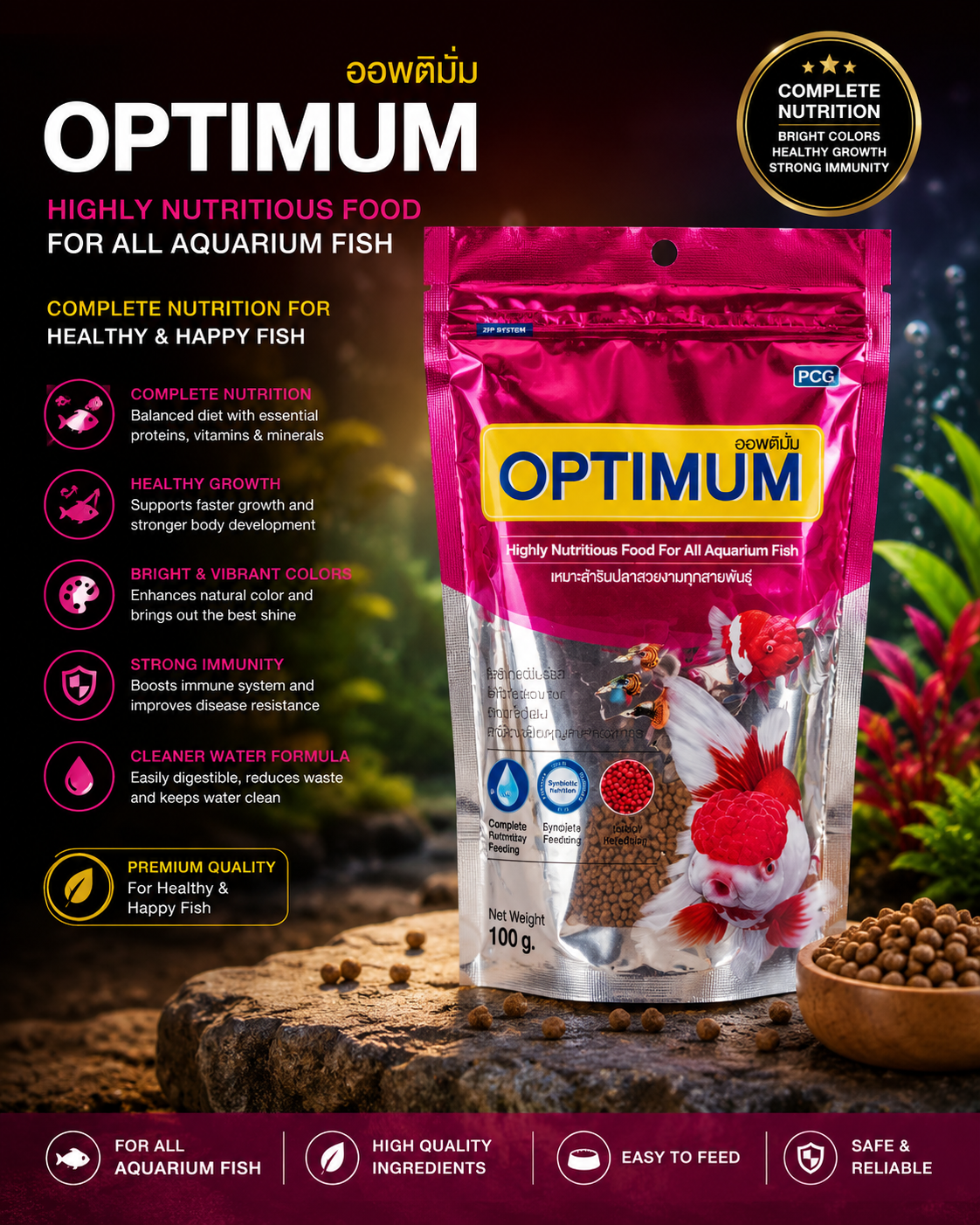
Optimum Premium Aquarium Fish Food
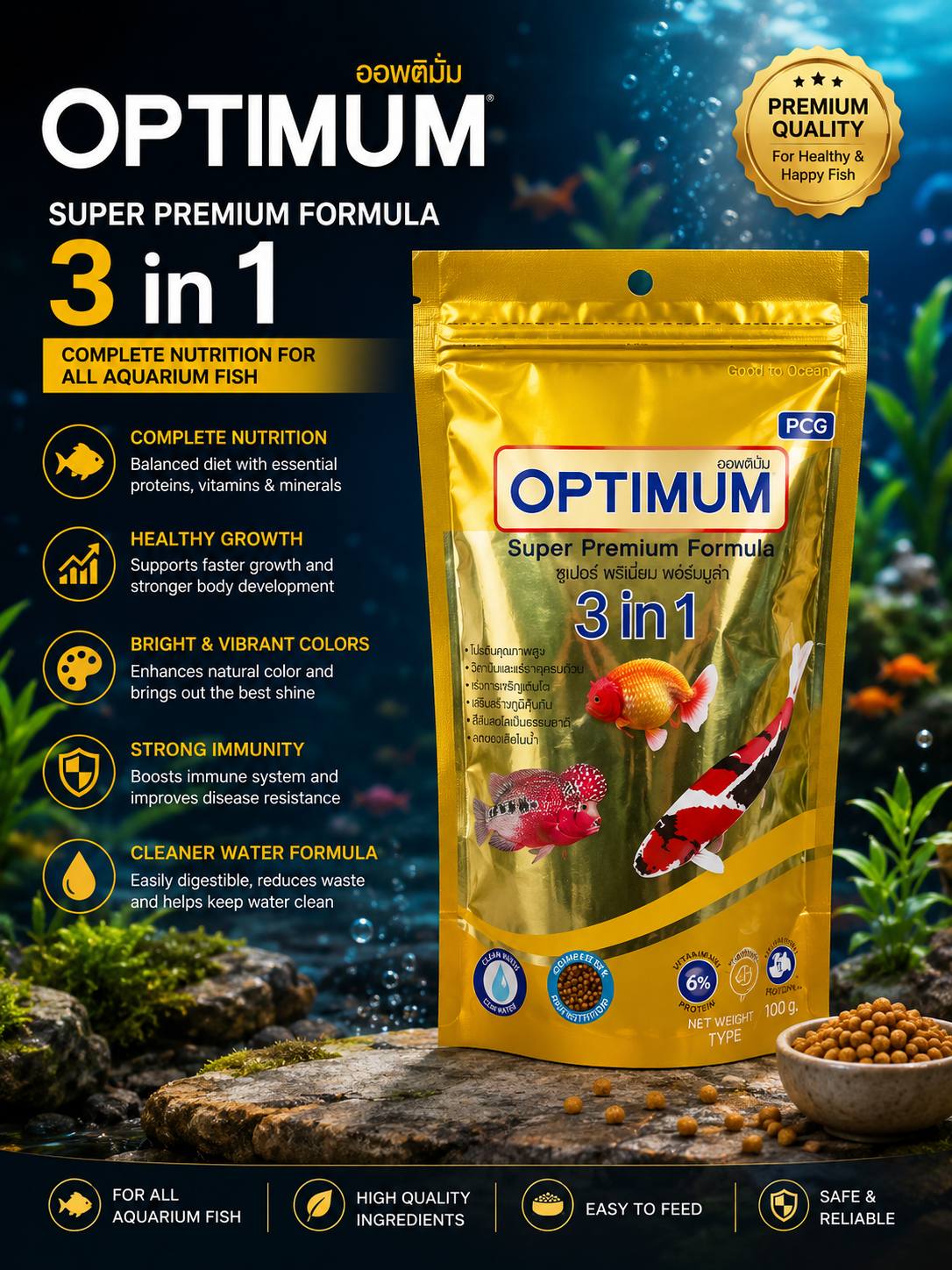
Optimum 3 in 1 Super Premium Fish Food
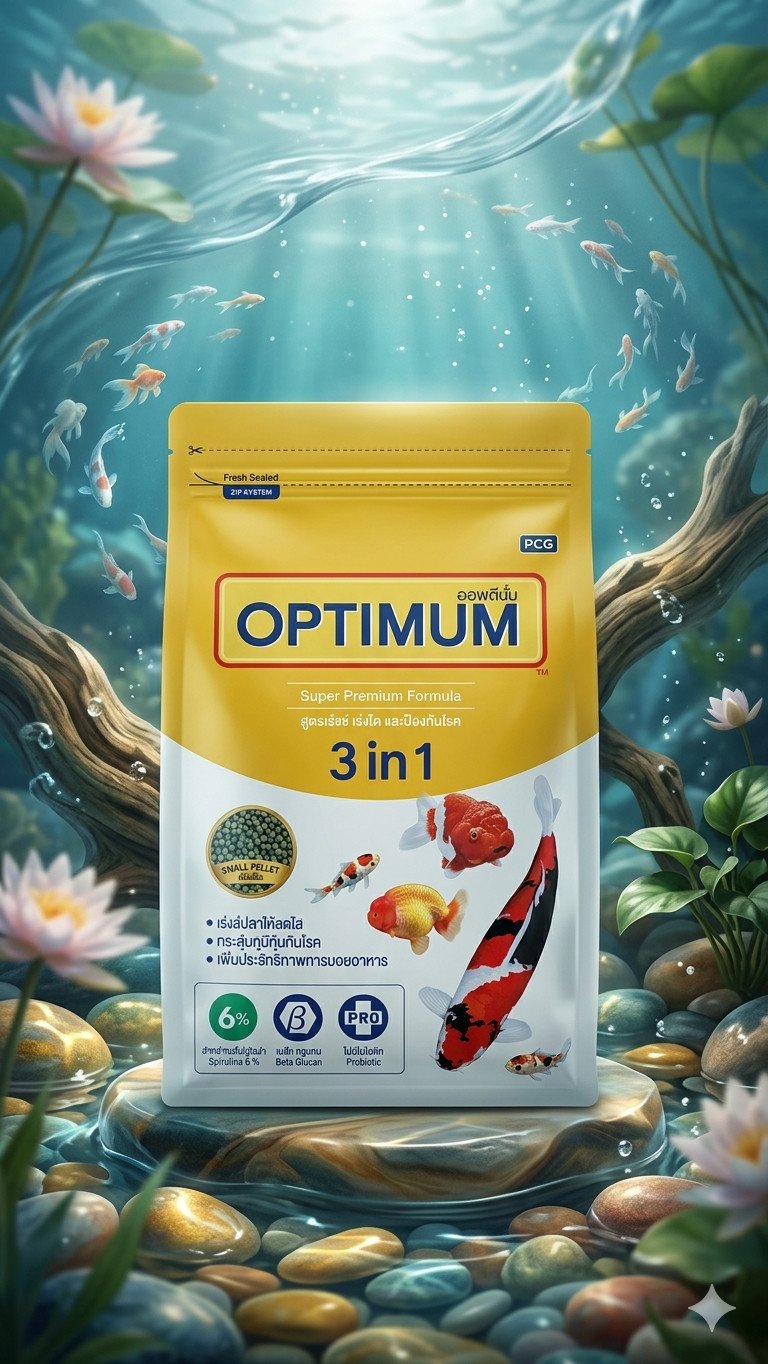
Optimum 3-in-1 Super Premium Koi & Goldfish Diet
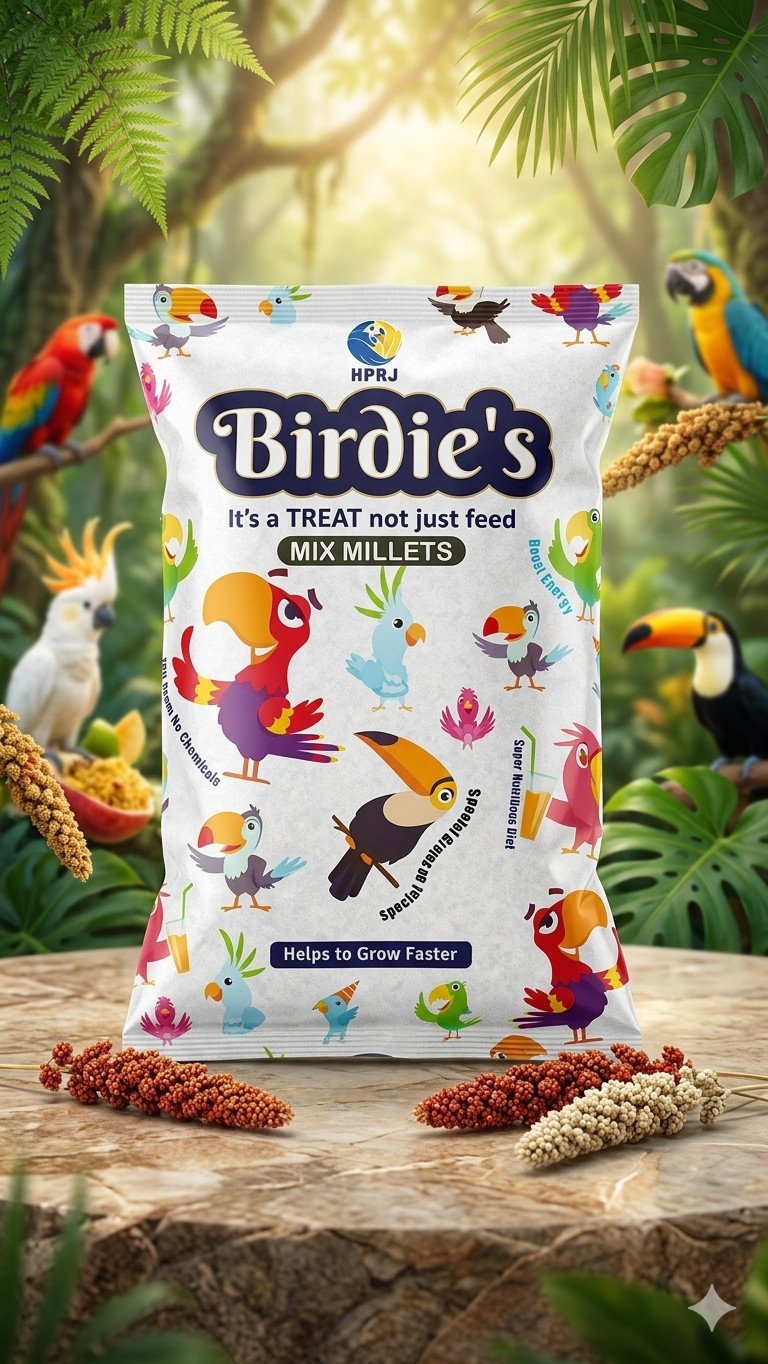
Birdie's Premium Mix Millets Daily Diet
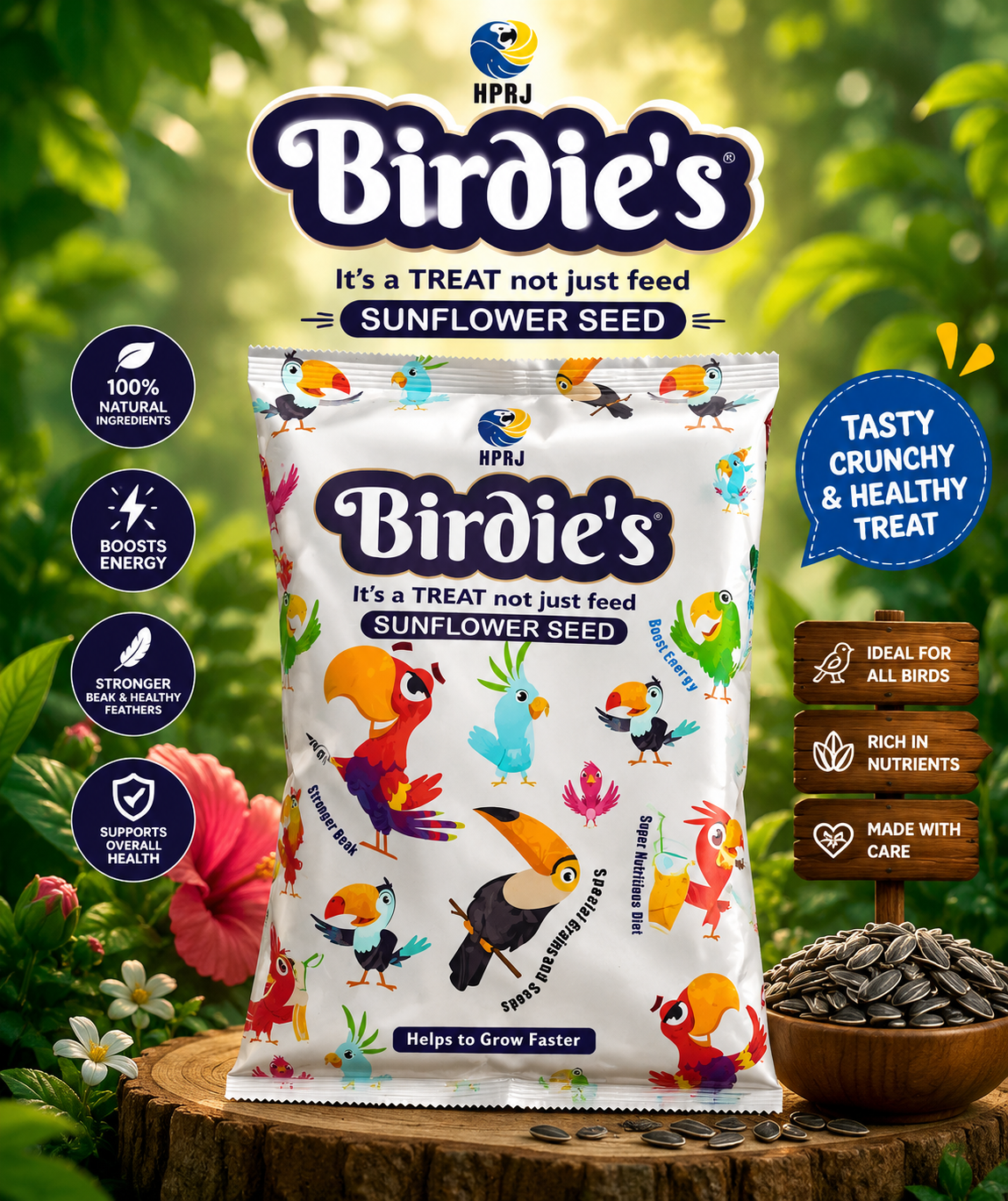
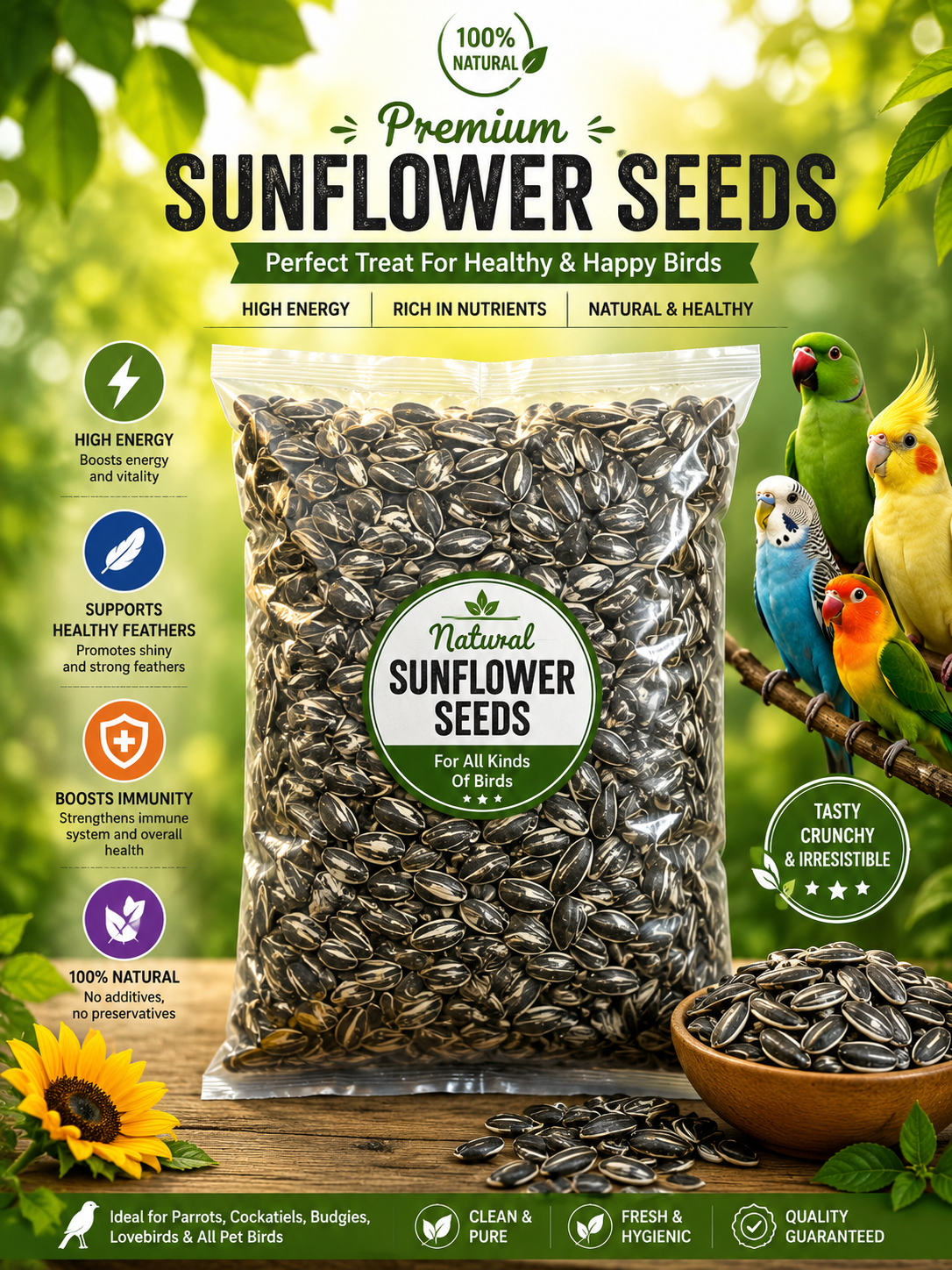
Birdie’s Premium Sunflower Seed Treat

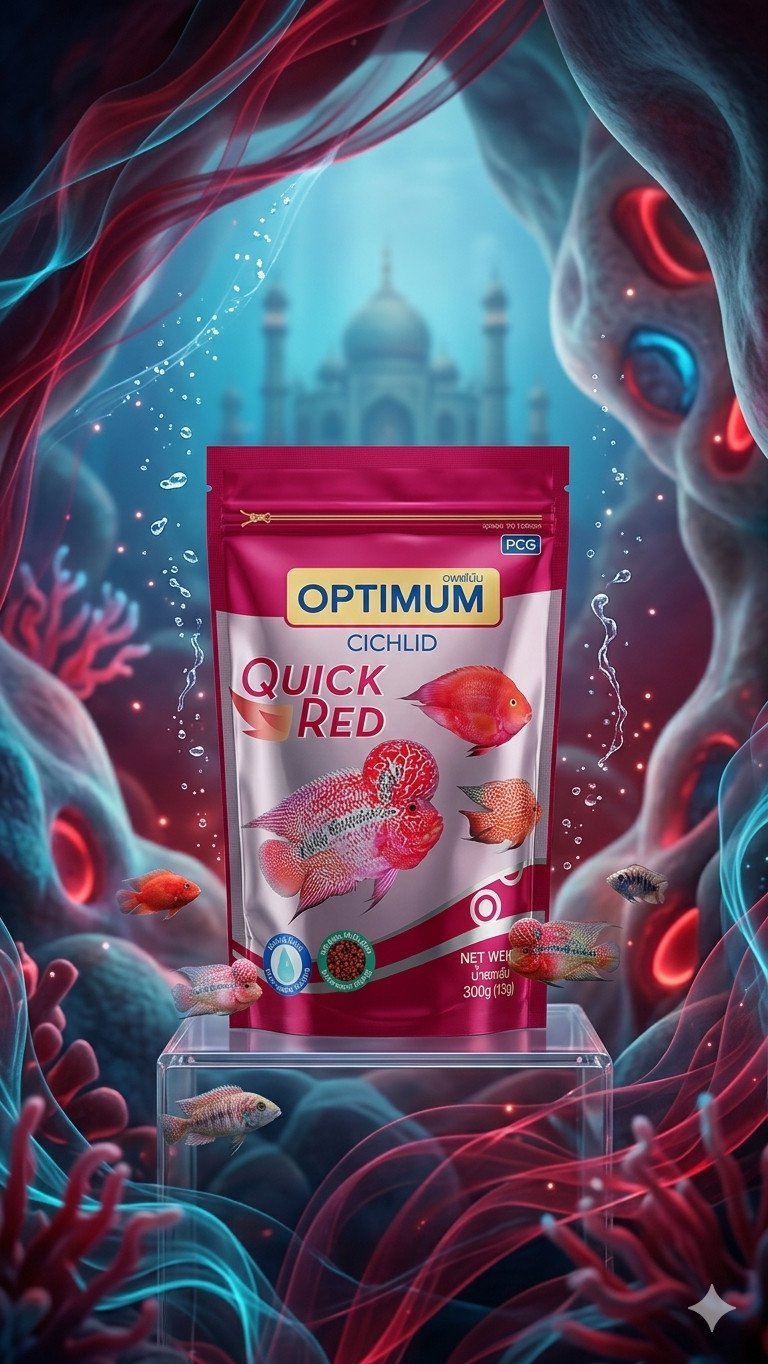
Optimum Cichlid Quick Red Color-Enhancing Diet
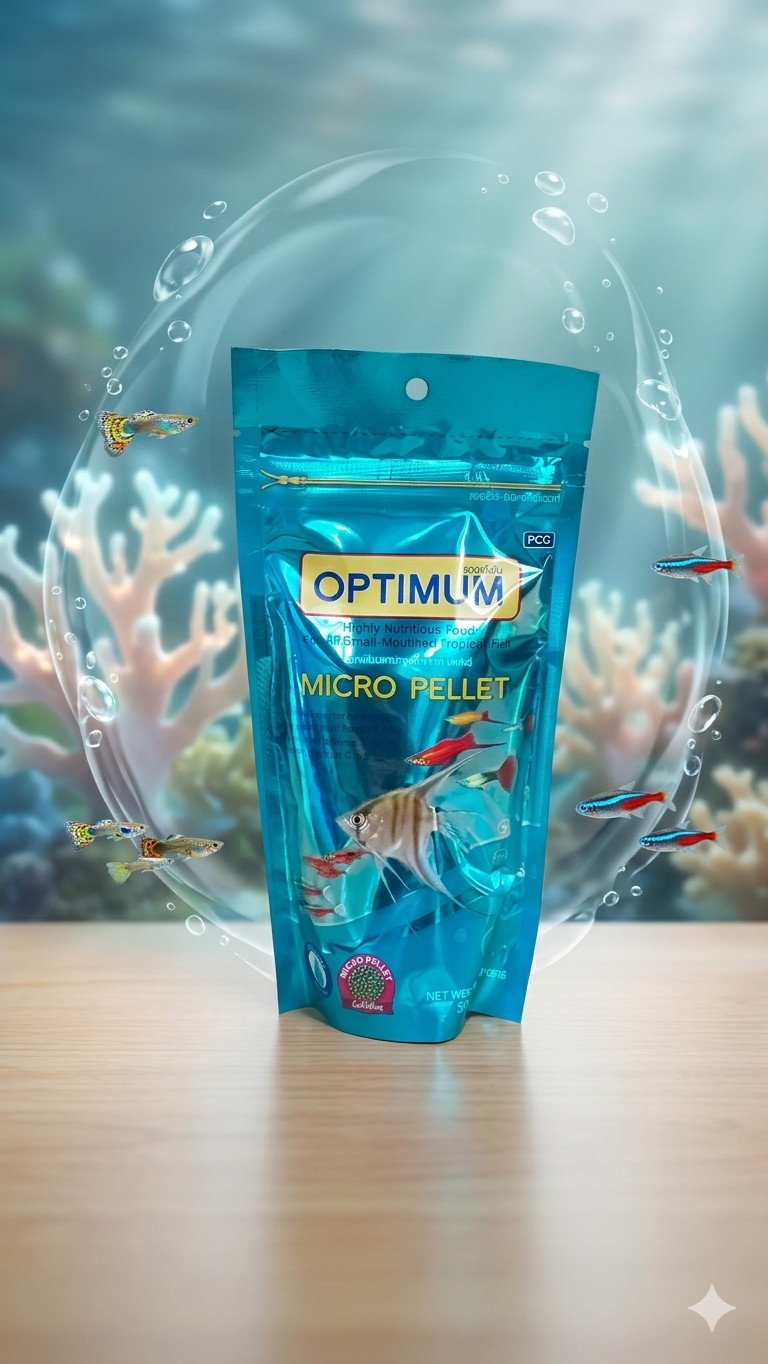
Optimum Micro Pellet Small-Mouthed Tropical Diet
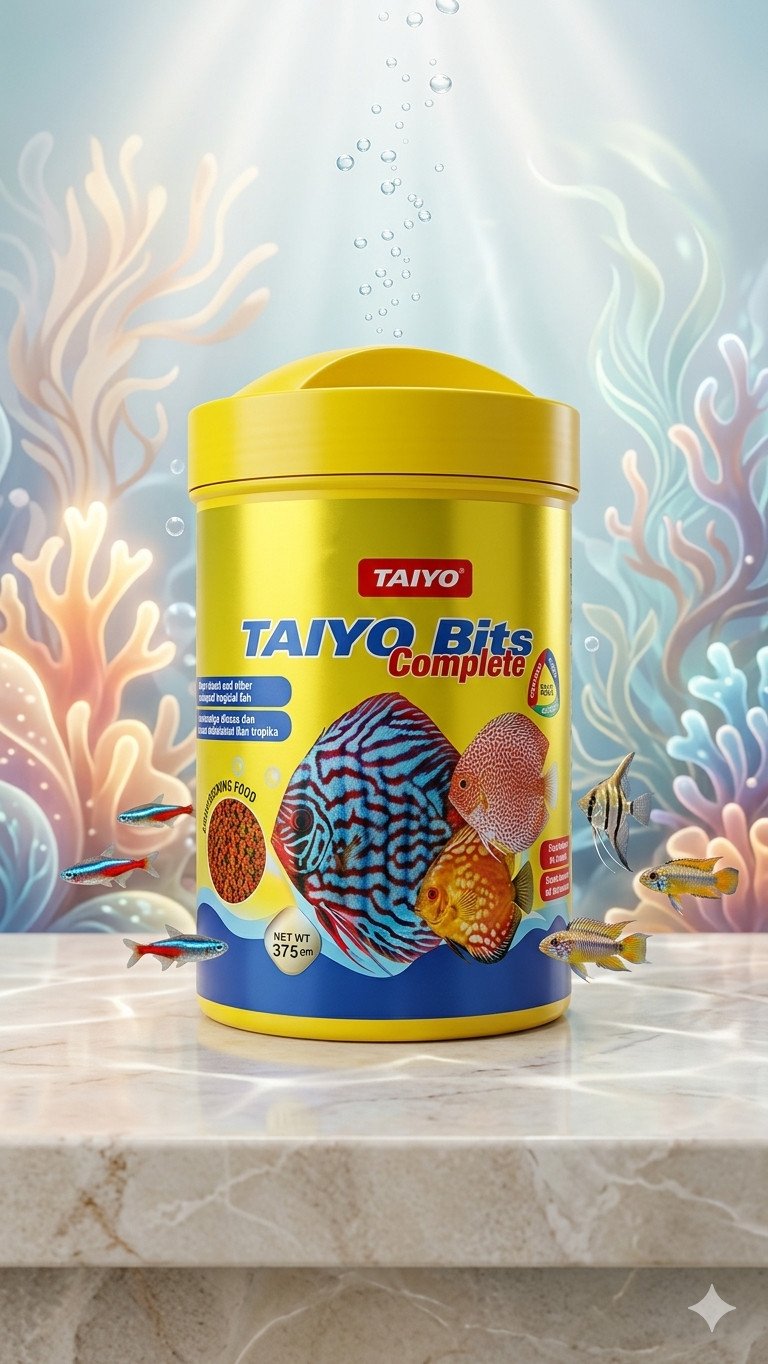
Taiyo Bits Complete Premium Discus Granules
Frequently Bought Together
Optimum 3 in 1 Super Premium Fish Food
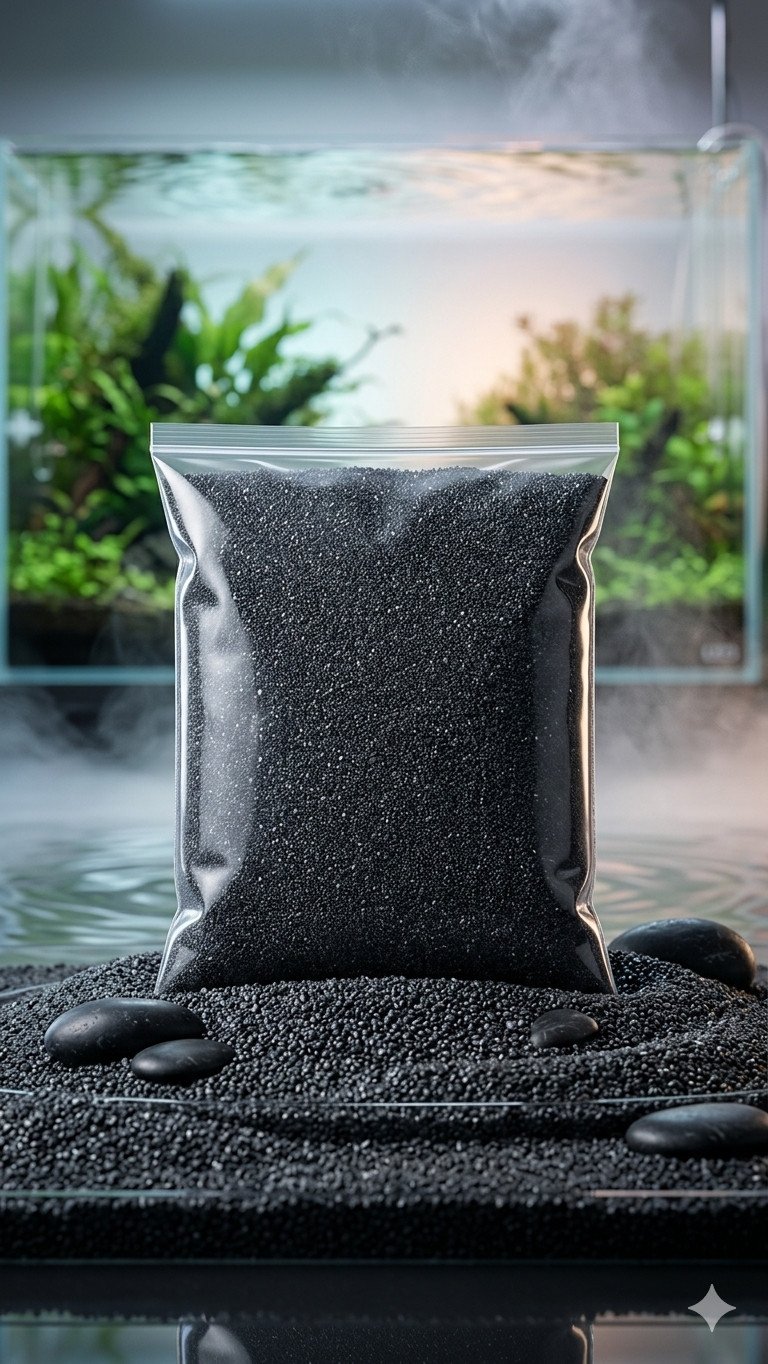
Taiyo Bits Complete Premium Discus Granules
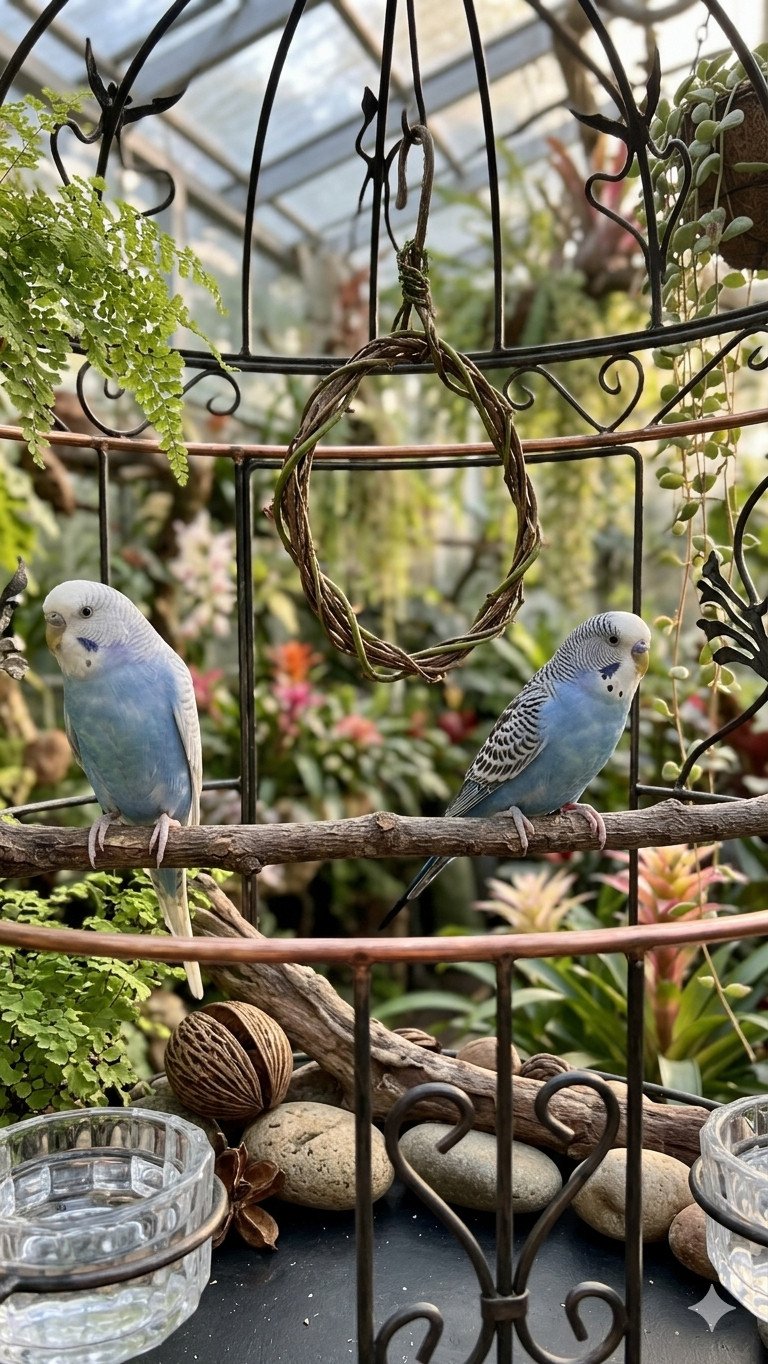
The Verdant Aviary Sanctum
Birdie's Premium Mix Millets Daily Diet

Platinum Comet Goldfish
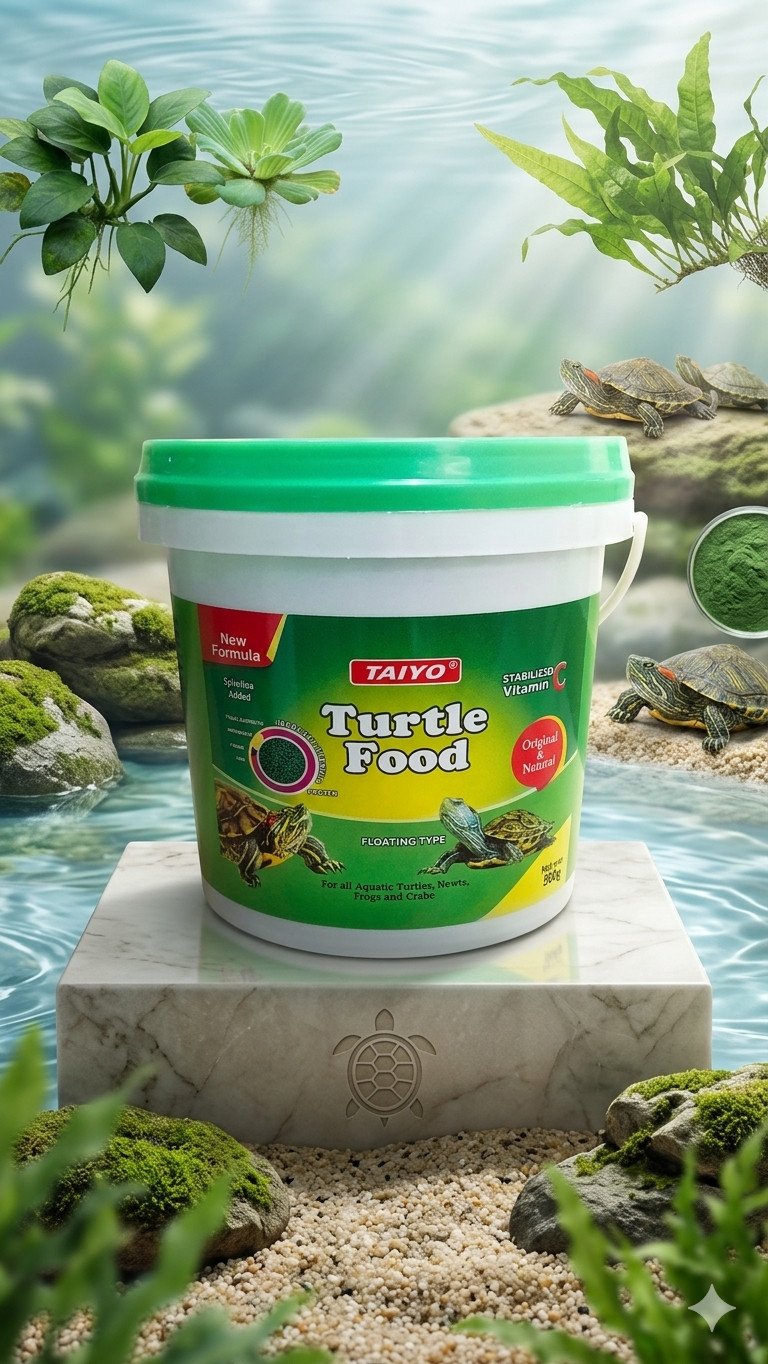
Taiyo New Formula Floating Turtle Food (500g)
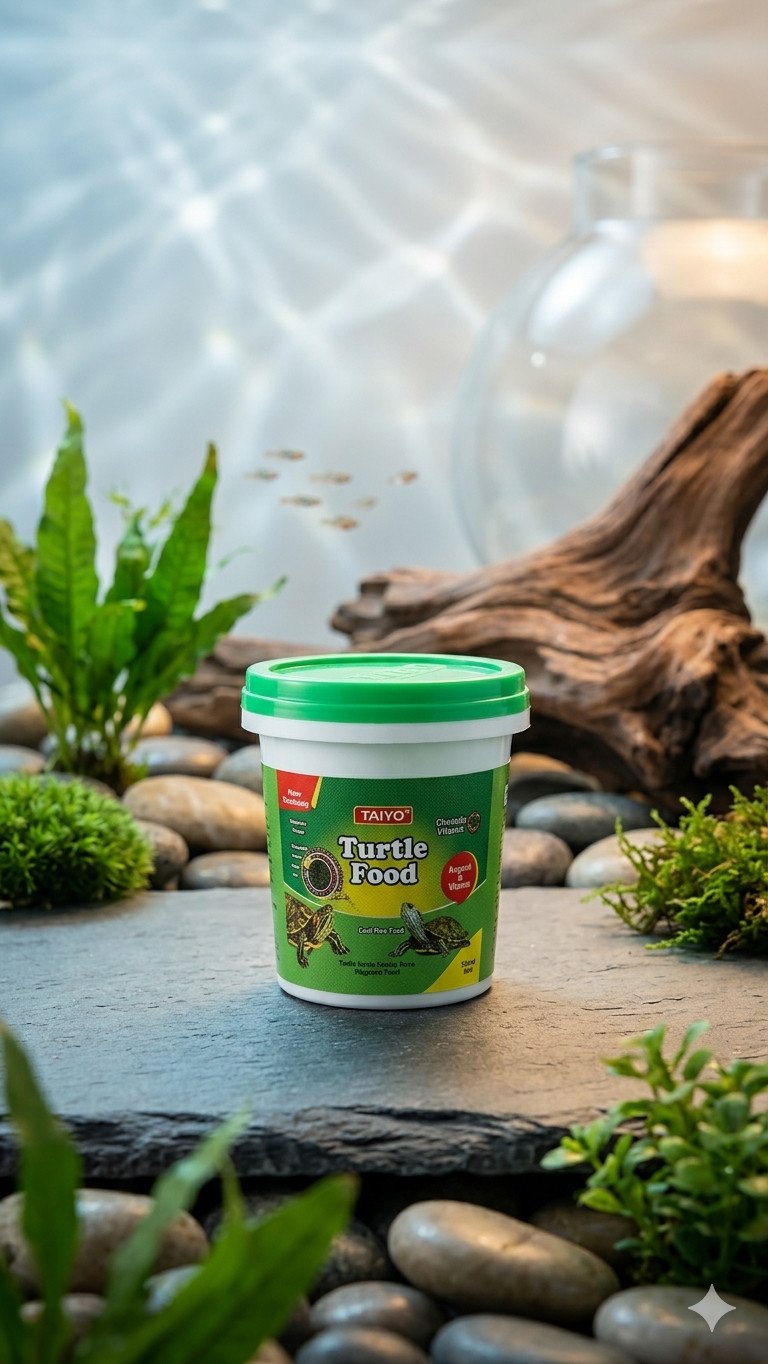
Taiyo Calcium-Enriched Floating Turtle Food
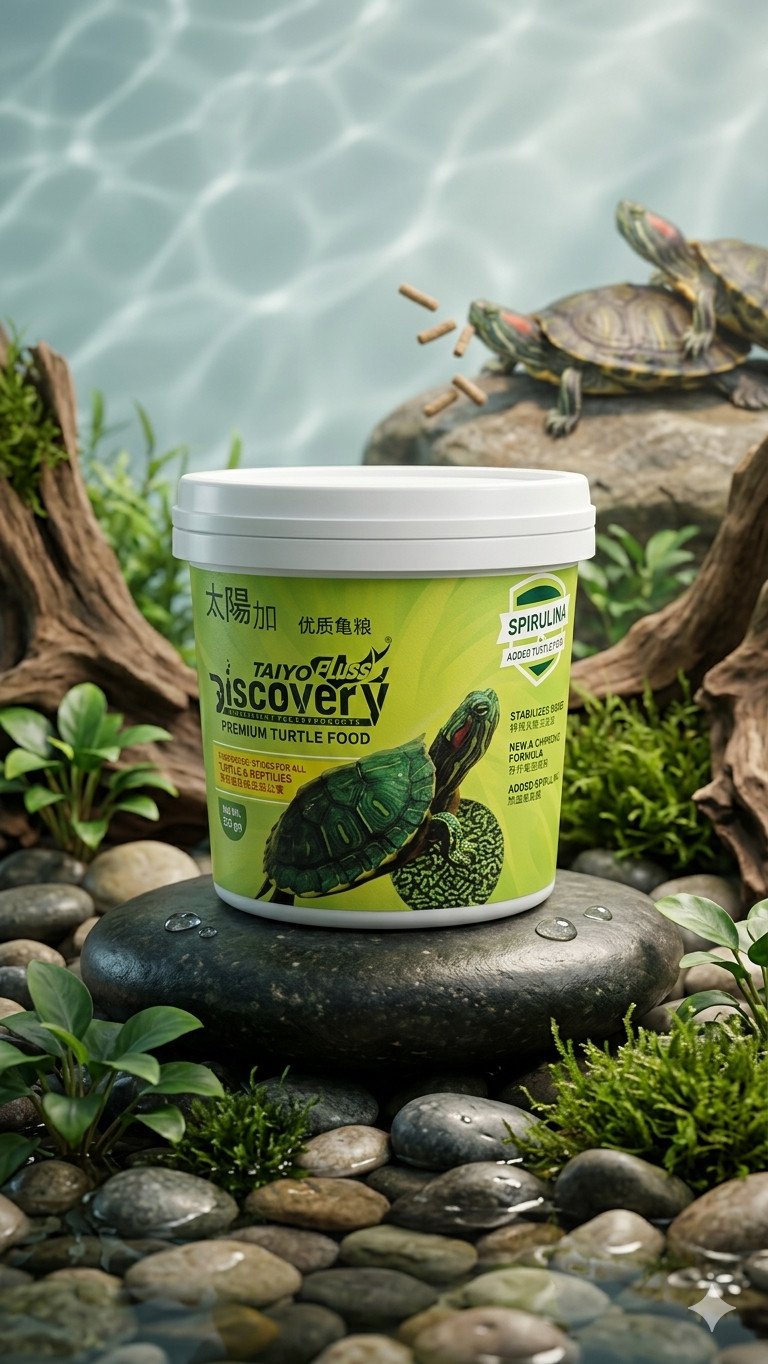
Taiyo Discovery Premium Spirulina Turtle Food (230g)
Products from this Seller
View All
Optimum Color-Boost Mini Pellets
Optimum Aqua Premium Fish Food
Optimum Aqua-Pure Nutritious Aquarium Diet
Optimum Premium Aquarium Fish Food
Optimum 3 in 1 Super Premium Fish Food
Optimum 3-in-1 Super Premium Koi & Goldfish Diet
Birdie's Premium Mix Millets Daily Diet
Birdie’s Premium Sunflower Seed Treat
Optimum Cichlid Quick Red Color-Enhancing Diet
Optimum Micro Pellet Small-Mouthed Tropical Diet
Taiyo Bits Complete Premium Discus Granules



Share with Friends
Trading is more effective when you share products with friends!Share you link
Share to