





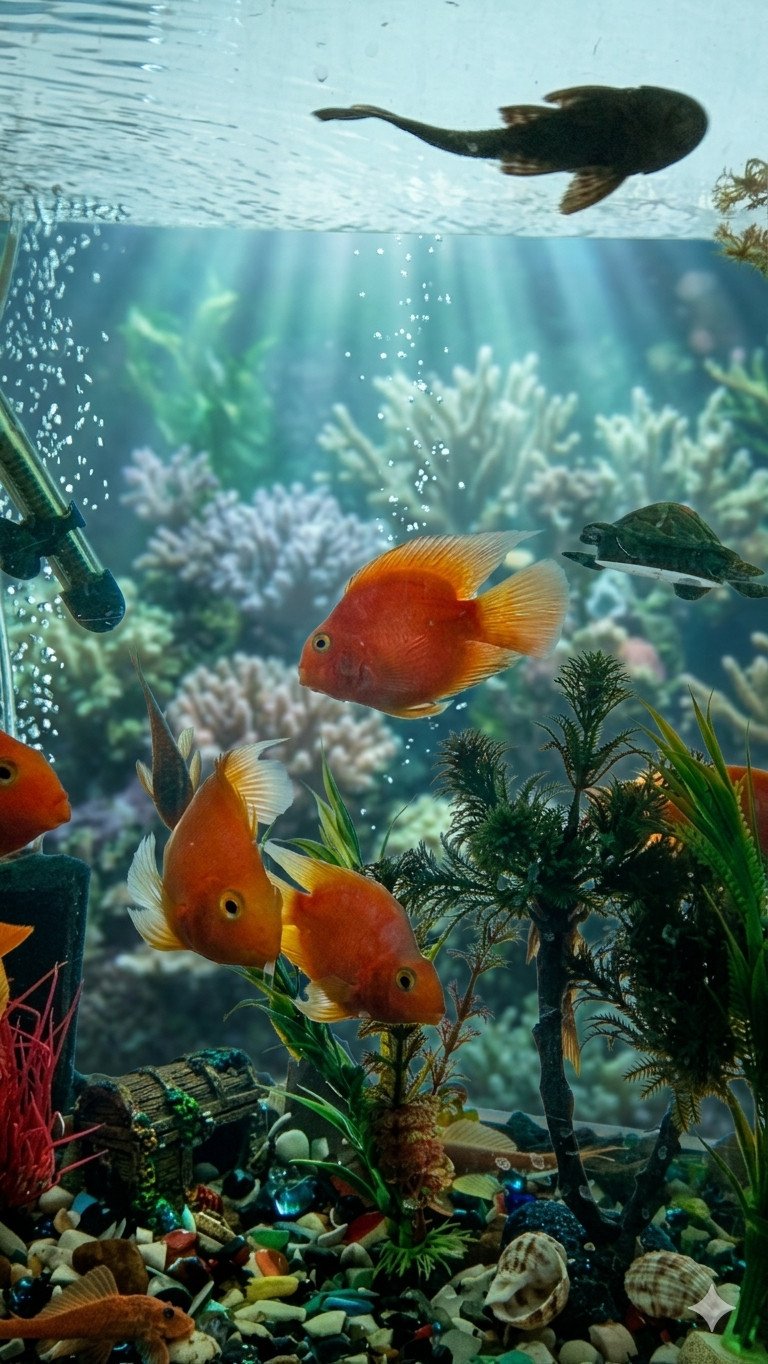
The central fish featured in this aquarium are Blood Parrot Cichlids (often simply called Parrot Cichlids). They are one of the most recognizable, distinct, and popular freshwater fish in the aquarium hobby.
Origin and Unique Anatomy
Man-Made Hybrid: The Blood Parrot is a genetic hybrid created in Taiwan around the mid-1980s. It is a cross-breed between two Central American cichlid species, most commonly believed to be the Midas Cichlid (Amphilophus citrinellus) and the Redhead Cichlid (Paraneetroplus synspilus).
Distinct Shape: They are bred for a highly specific appearance—a round, balloon-like body, a pronounced nuchal hump on the head, and large, expressive eyes.
The "Smile": One of their most famous traits is their small, beak-like mouth. Due to their unique anatomy, many Blood Parrots cannot close their mouths completely, giving them a permanent, endearing "smiling" expression.
Behavior and Personality
Highly Intelligent & Interactive: Blood Parrots are famous for their playful personalities. They quickly learn to recognize their owners, will swim frantically to the front of the glass when you enter the room, and will actively "beg" for food.
Semi-Aggressive but Limited: While they possess the territorial instincts of typical Central American cichlids, their deformed mouths prevent them from delivering harmful bites. This makes them much more peaceful and safer community tank mates than purebred cichlids of a similar size.
Shy Newcomers: When first introduced to a new environment, they can be incredibly shy and will hide behind rocks or plants. Once they settle in and feel secure, they become bold, active mid-water swimmers.
Care and Tank Requirements
Tank Size: Because they can grow quite large—reaching lengths of 7 to 10 inches (18 to 25 cm)—and produce a lot of waste, they require a spacious aquarium, ideally 30 gallons for a single fish and 50+ gallons for a small group.
Water Parameters: They are hardy fish but thrive best in clean, well-filtered water with a temperature range of 24°C to 28°C (76°F to 82°F) and a neutral pH around 6.5 to 7.5.
Diet: They are omnivorous and enthusiastic eaters. Because of their unique downward-facing mouths, they do best with high-quality floating or sinking pellets that fit easily into their mouths, alongside treats like bloodworms and brine shrimp.
Related products
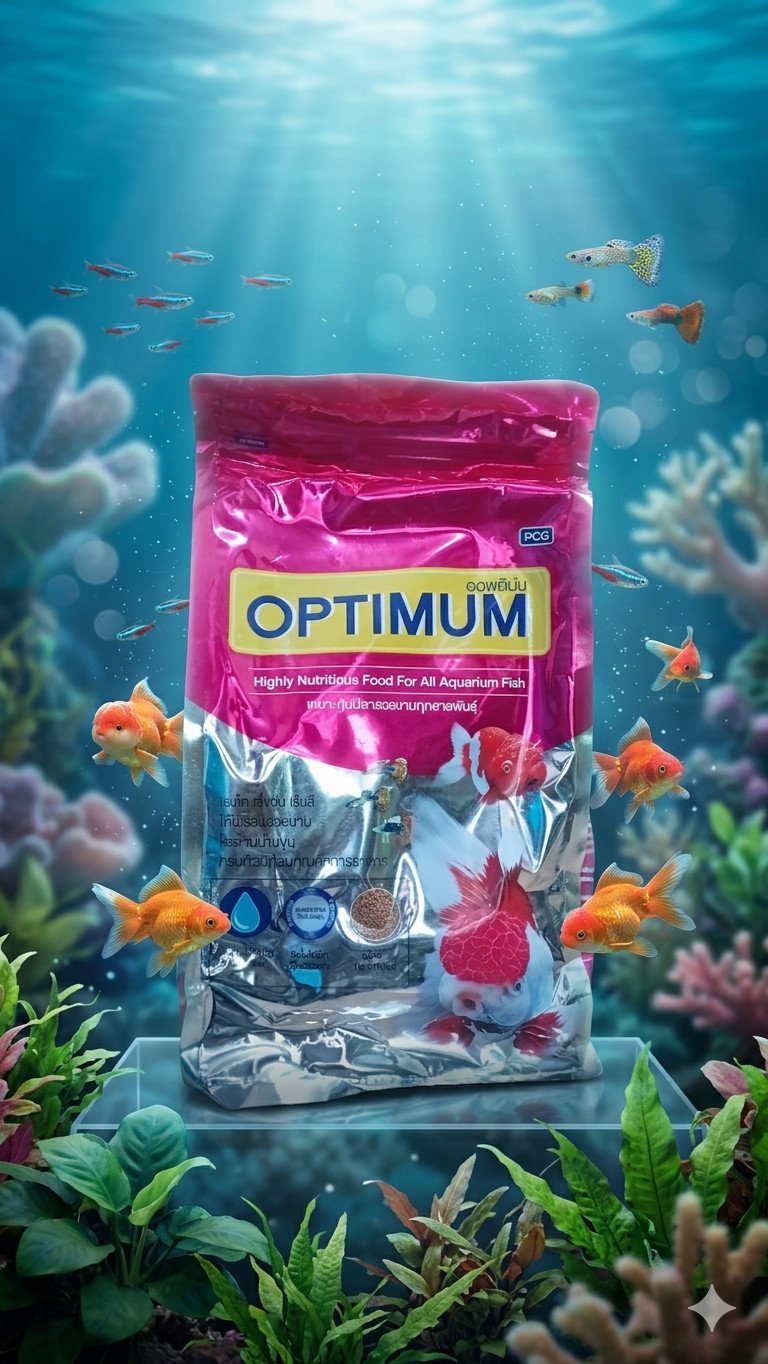
Optimum Color-Boost Mini Pellets
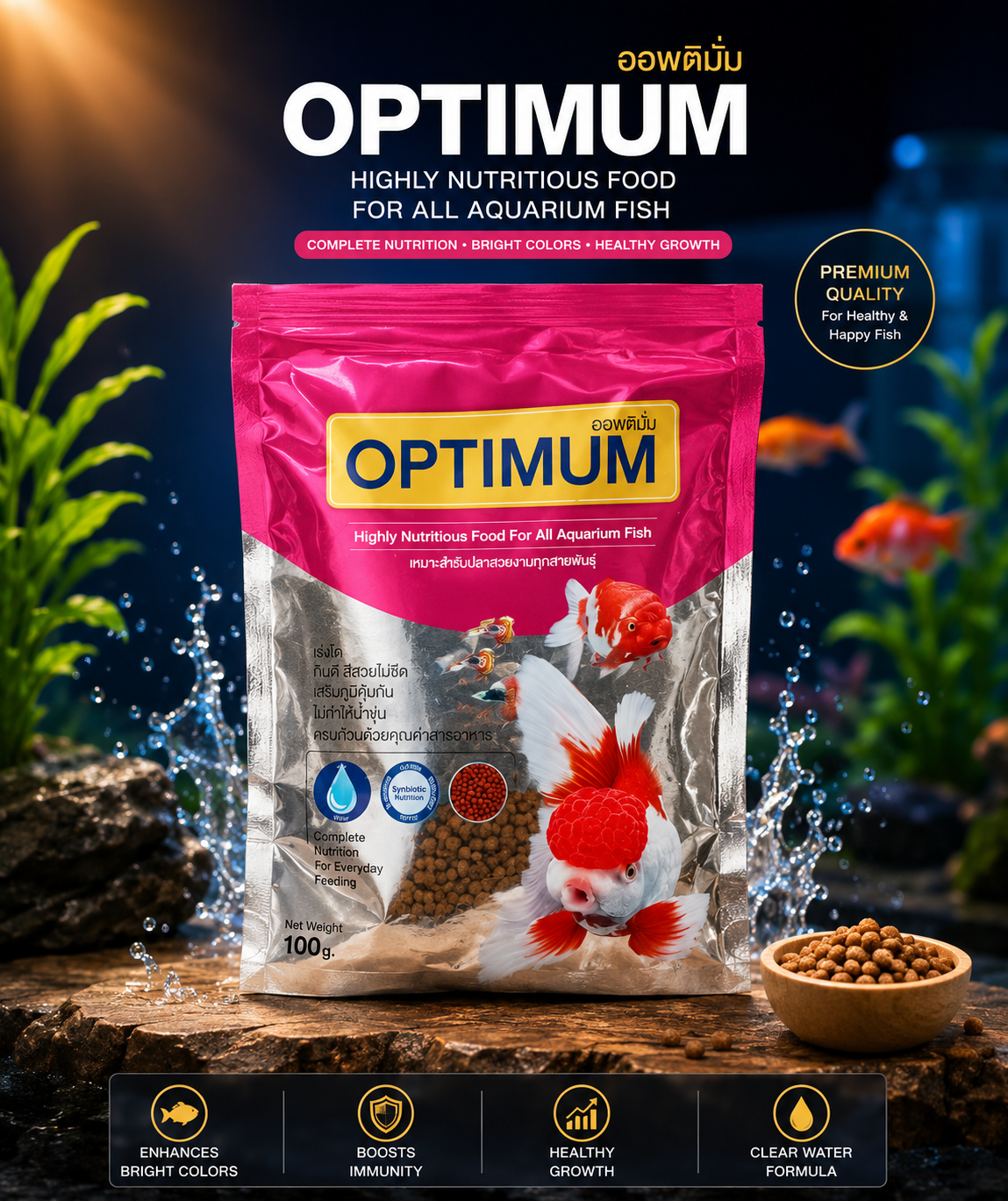
Optimum Aqua Premium Fish Food
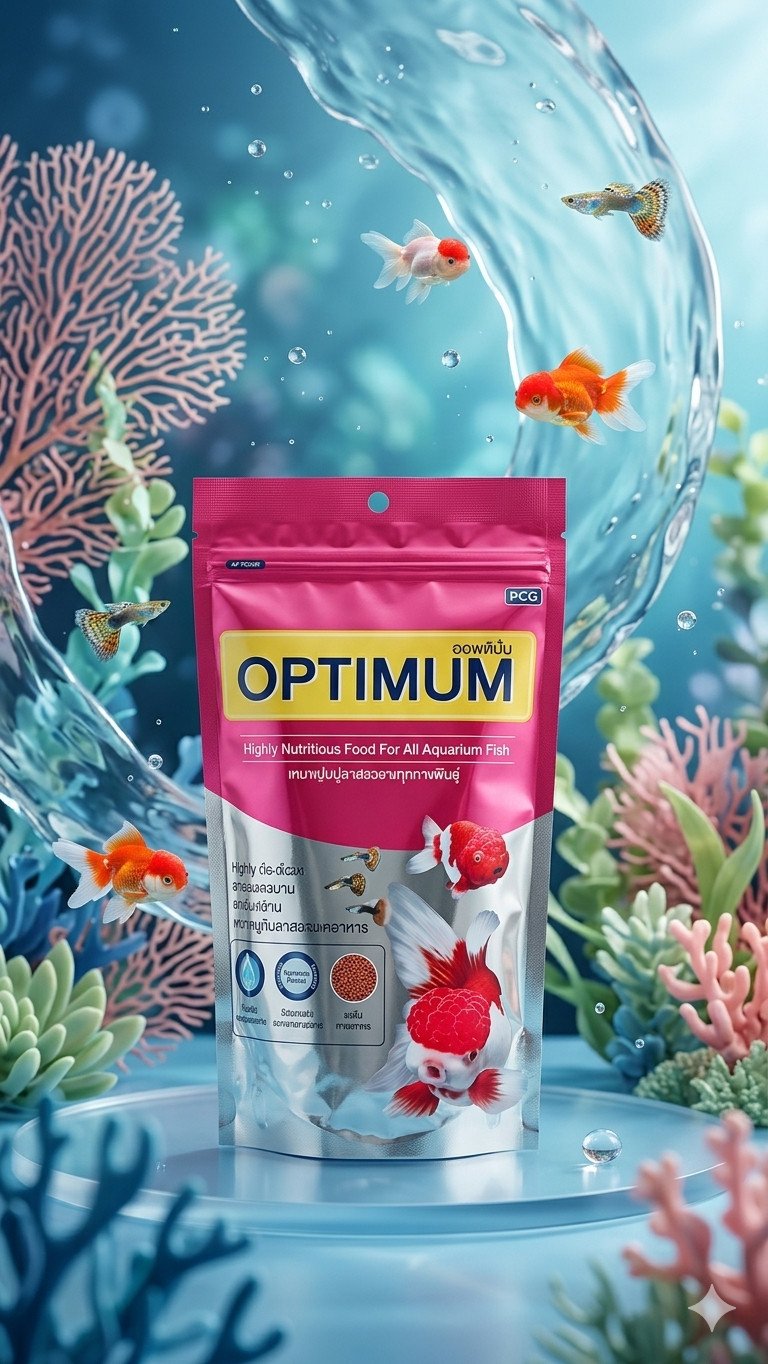
Optimum Aqua-Pure Nutritious Aquarium Diet
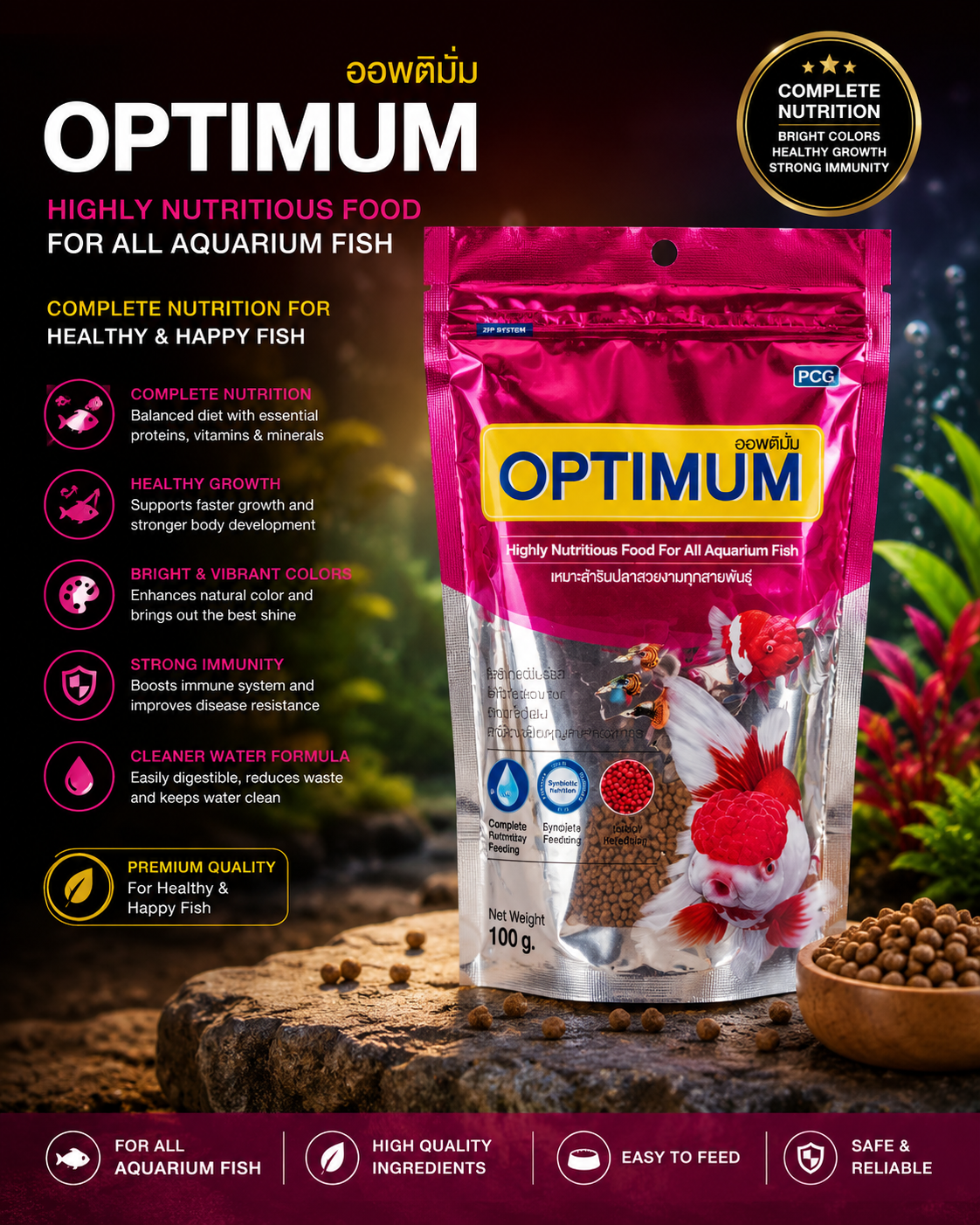
Optimum Premium Aquarium Fish Food
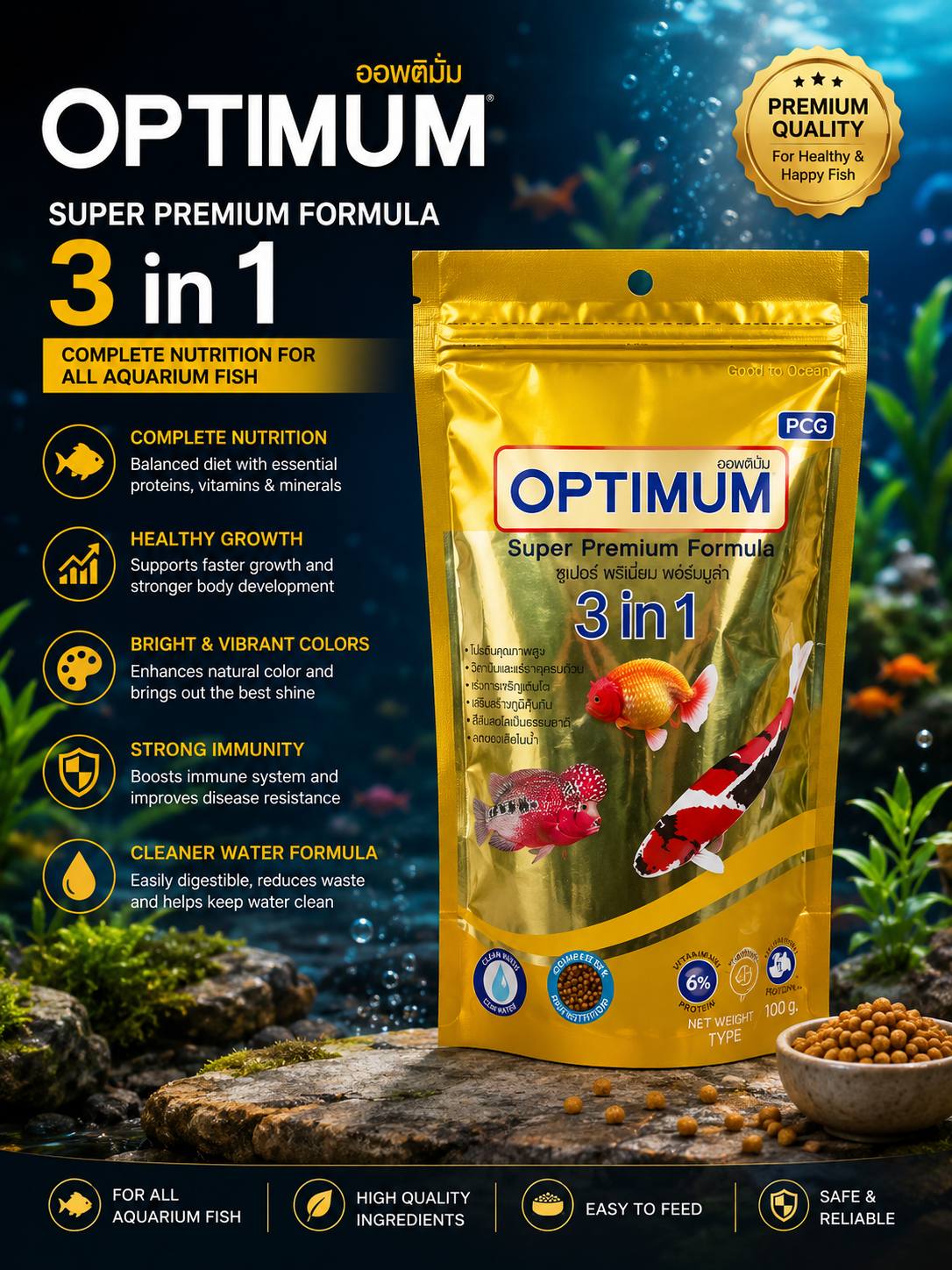
Optimum 3 in 1 Super Premium Fish Food
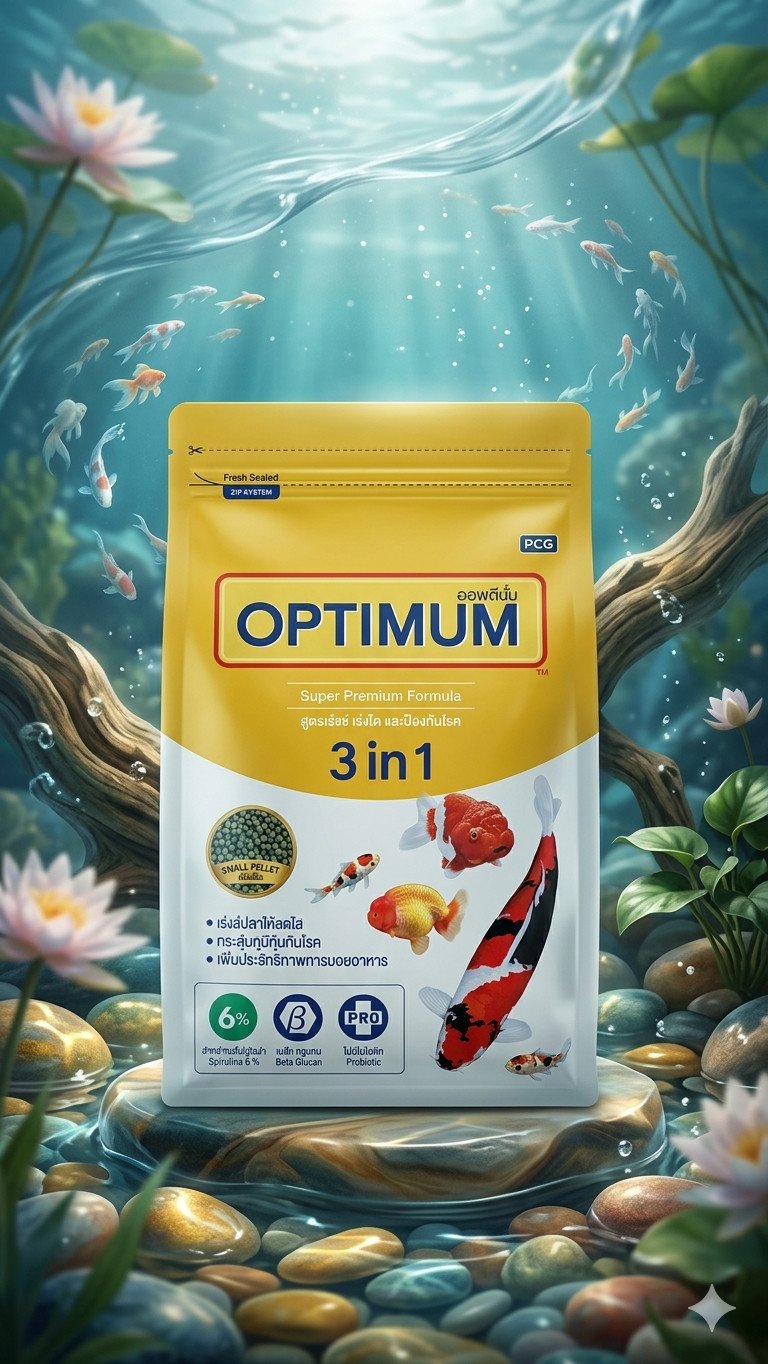
Optimum 3-in-1 Super Premium Koi & Goldfish Diet
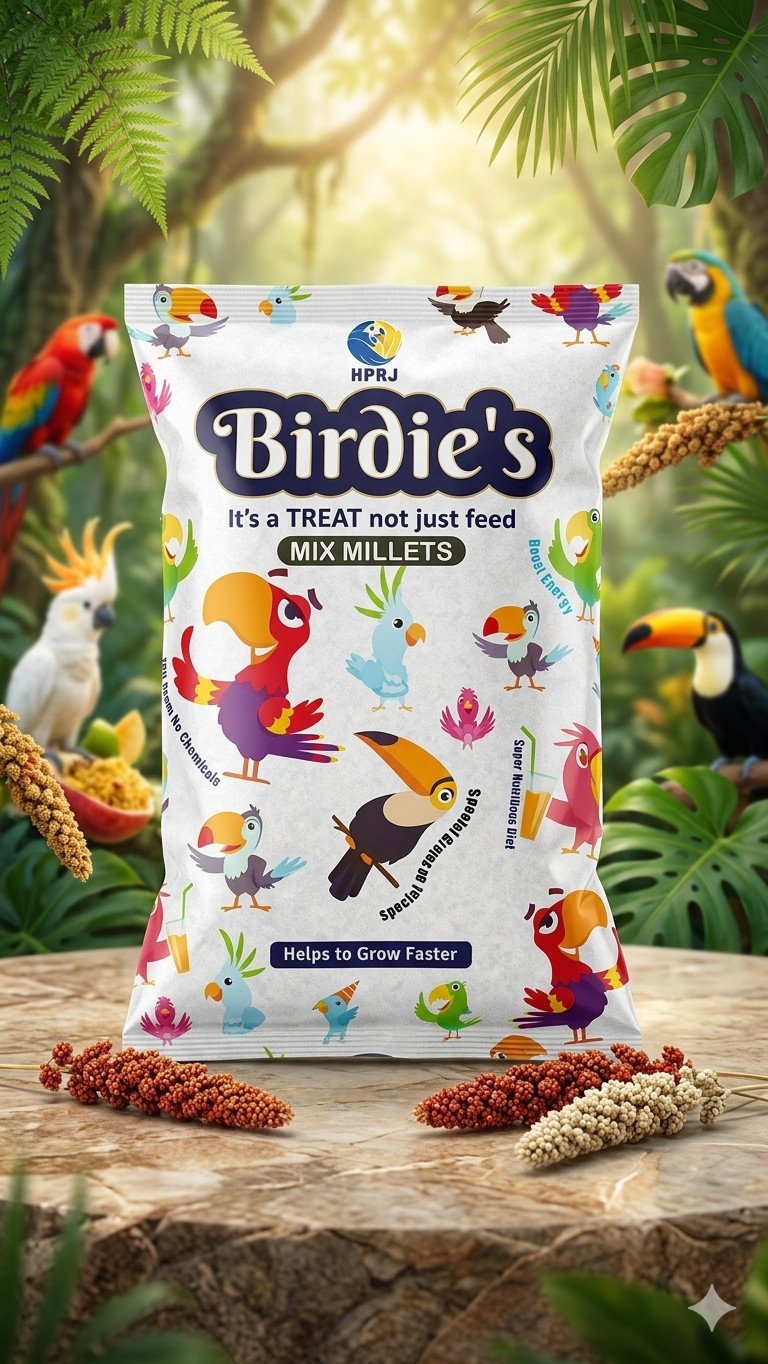
Birdie's Premium Mix Millets Daily Diet
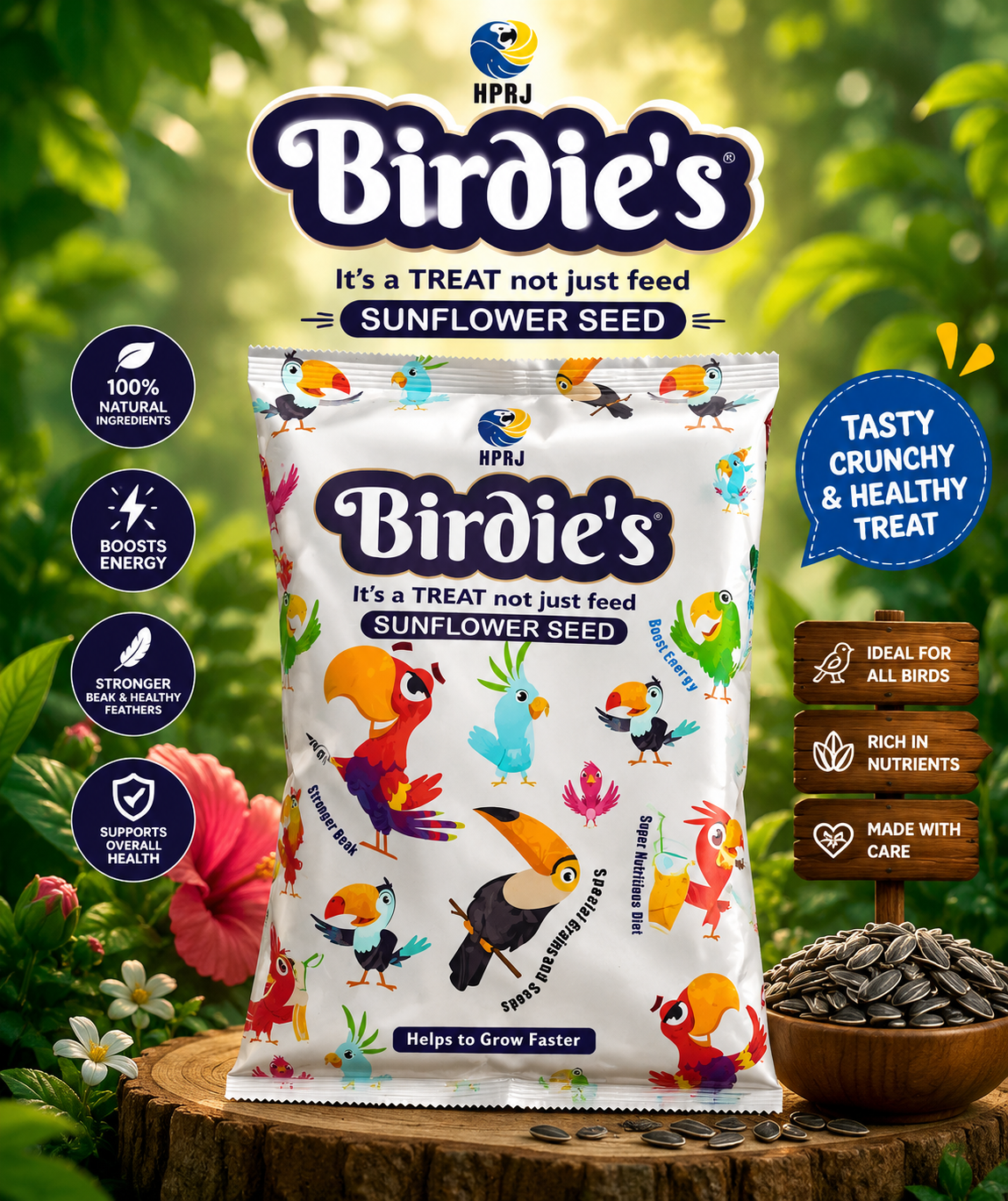
Birdie’s Premium Sunflower Seed Treat
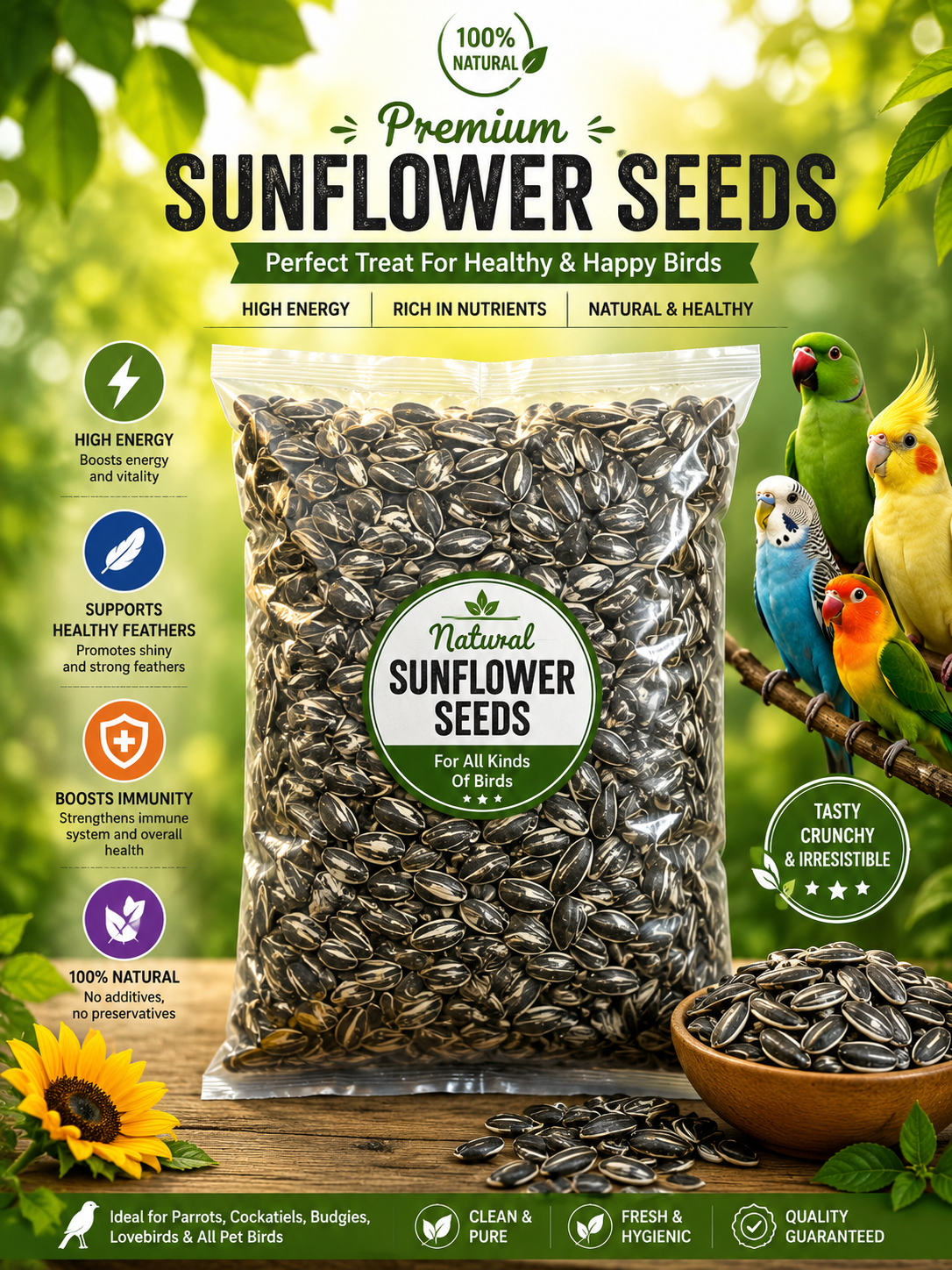
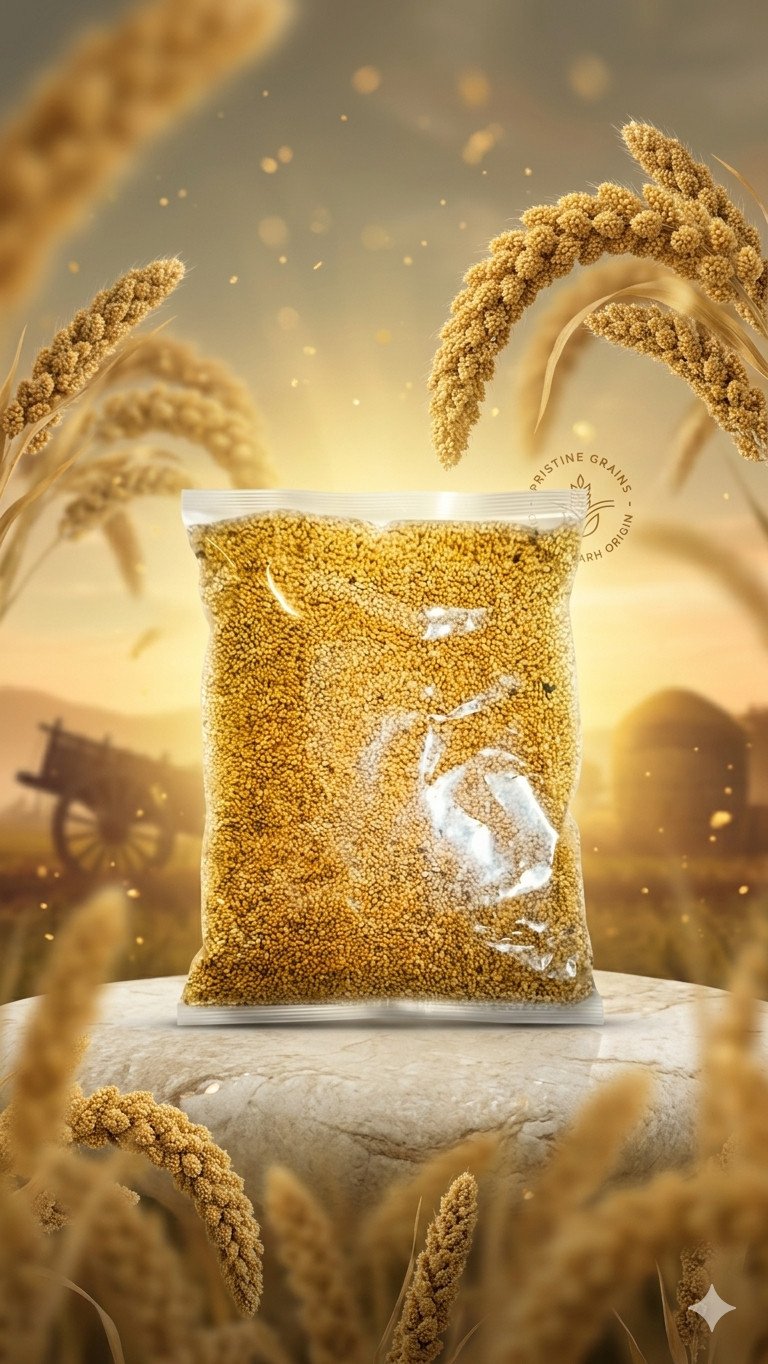
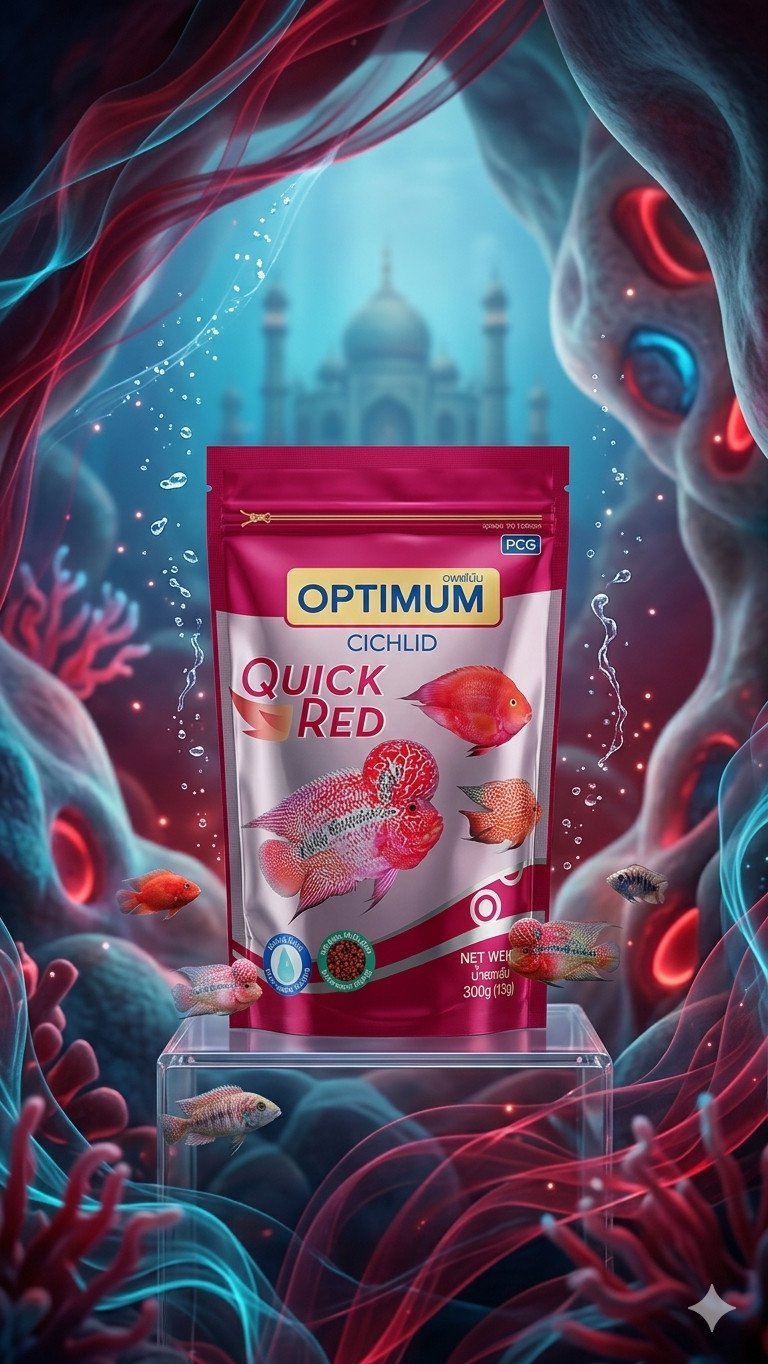
Optimum Cichlid Quick Red Color-Enhancing Diet
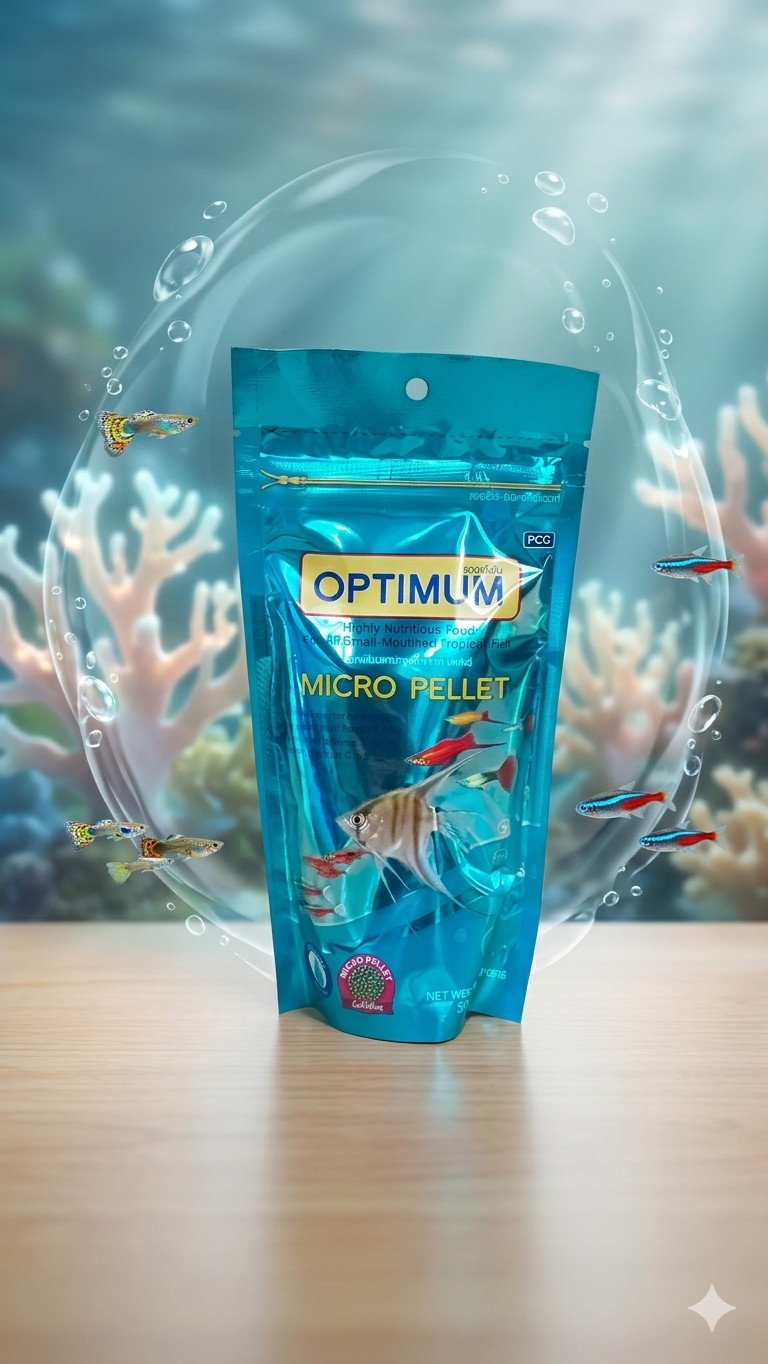
Optimum Micro Pellet Small-Mouthed Tropical Diet
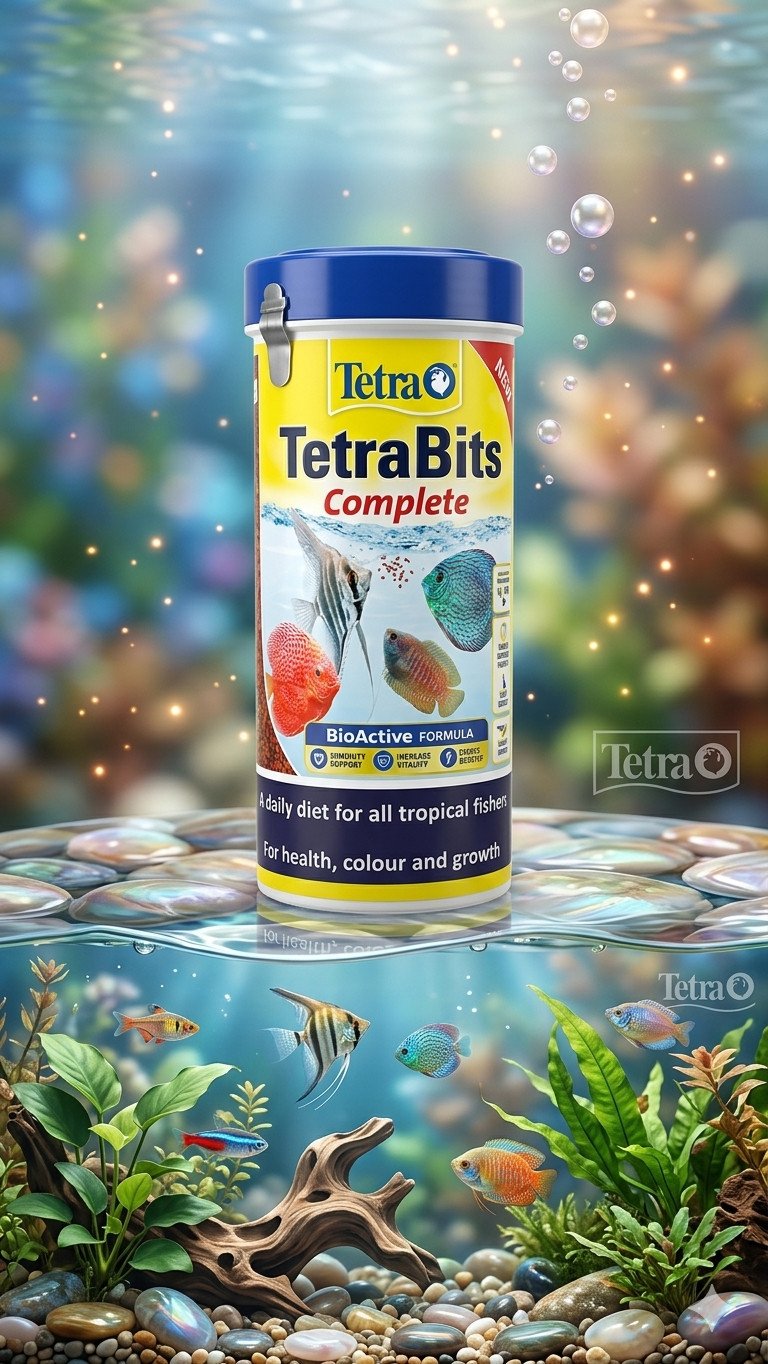
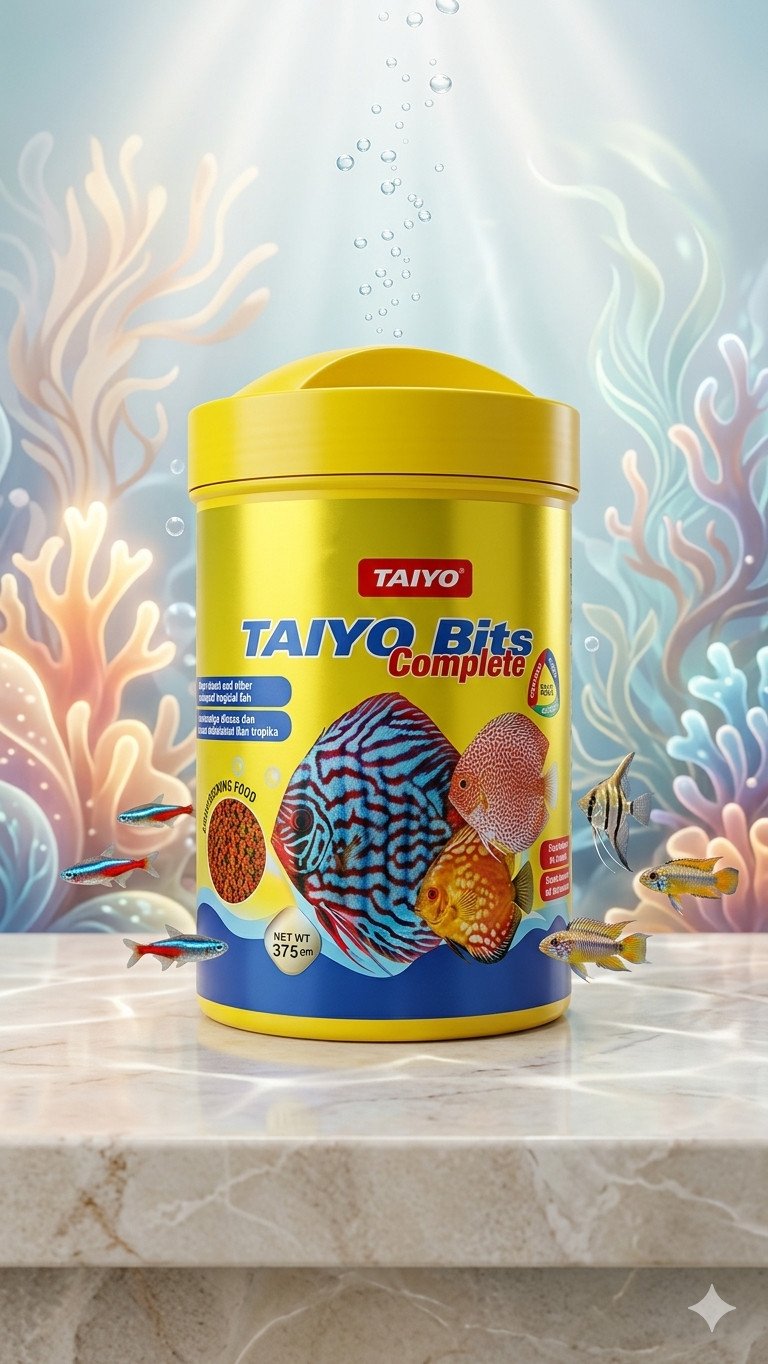
Taiyo Bits Complete Premium Discus Granules
Frequently Bought Together
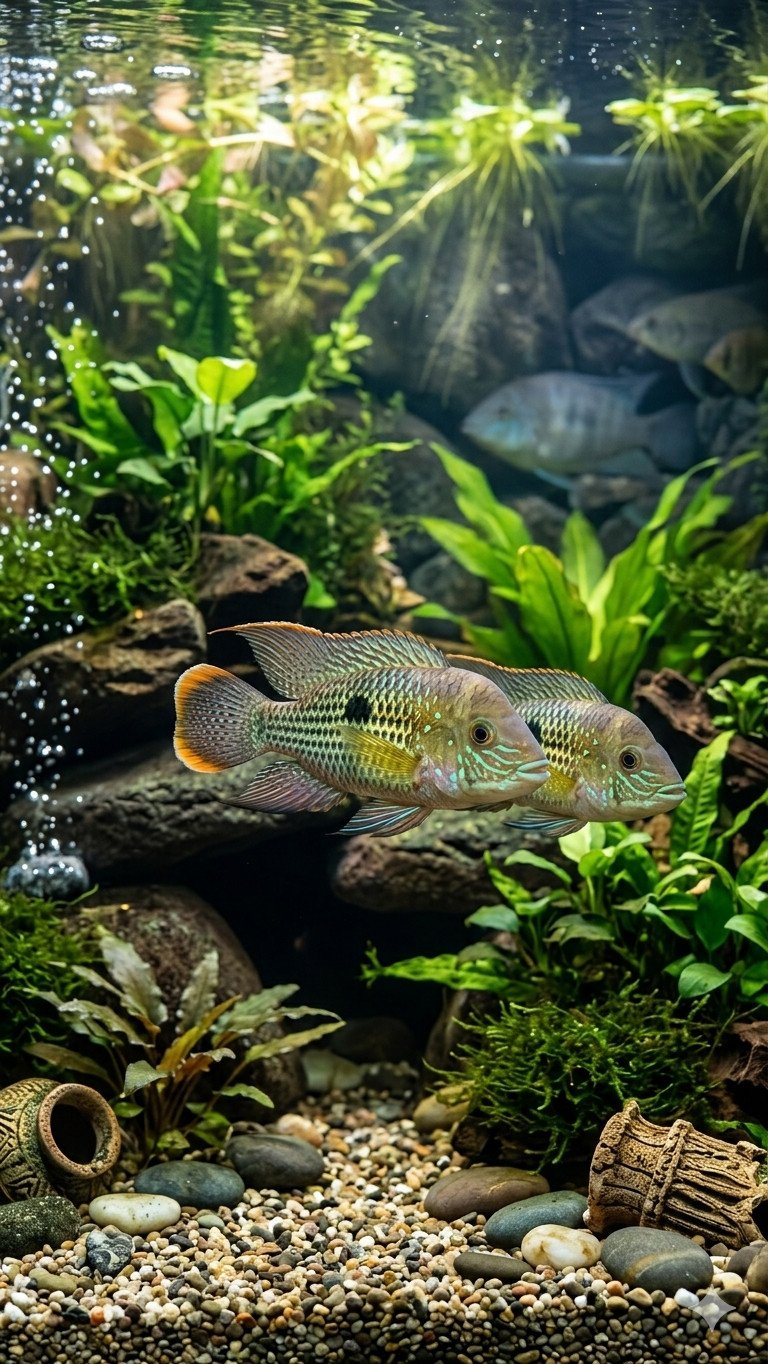
The Green Terror Cichlid (Gold Saum)
Optimum Aqua-Pure Nutritious Aquarium Diet
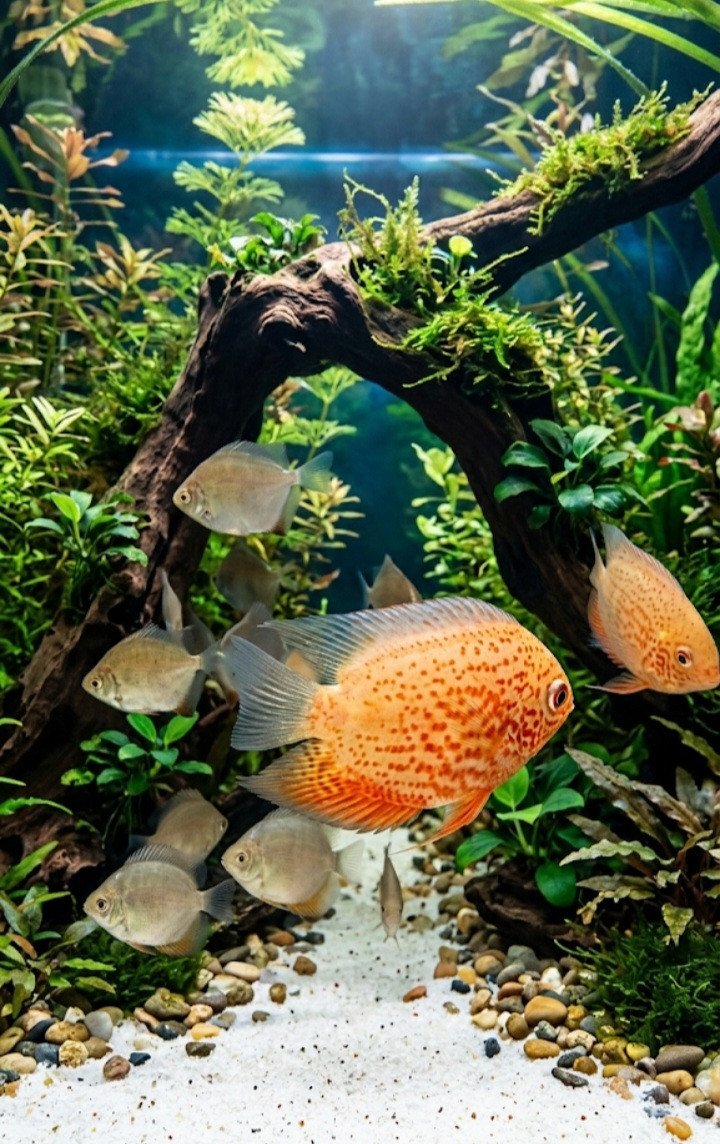
The Red Spat Severum Cichlid
Optimum Color-Boost Mini Pellets
Optimum 3 in 1 Super Premium Fish Food
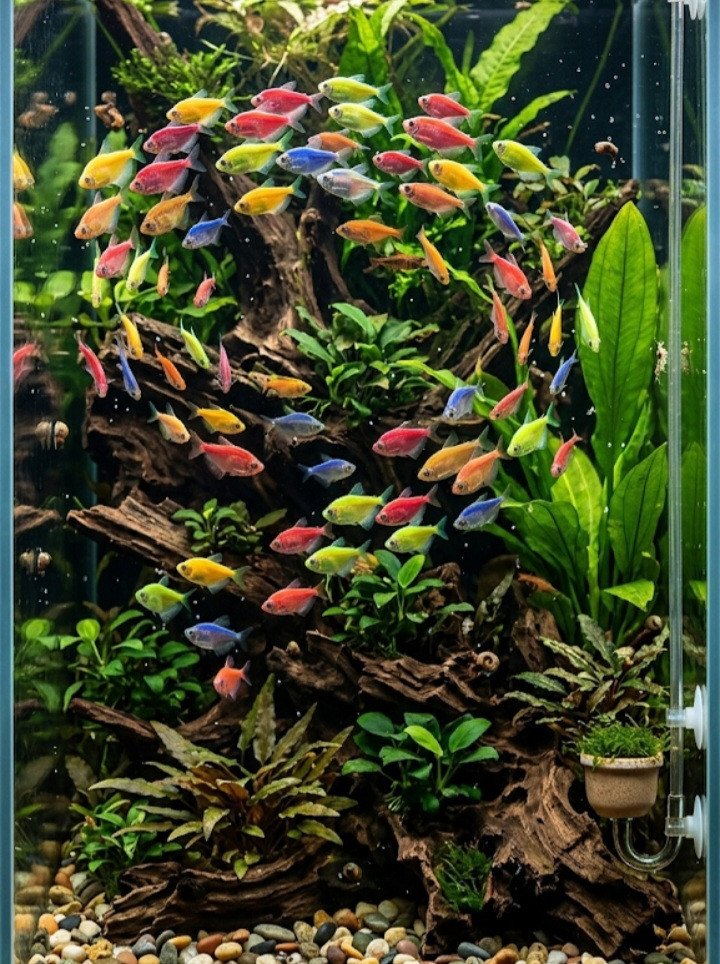
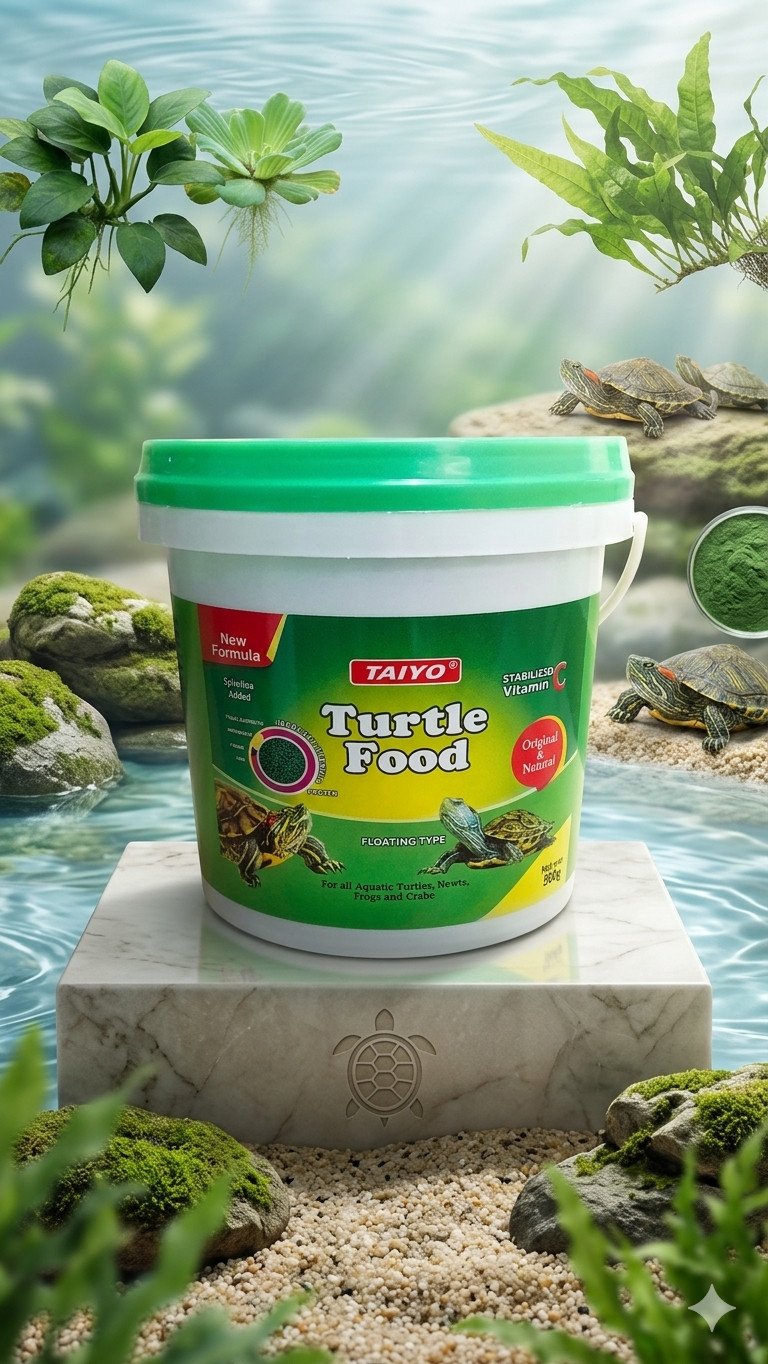
Taiyo New Formula Floating Turtle Food (500g)
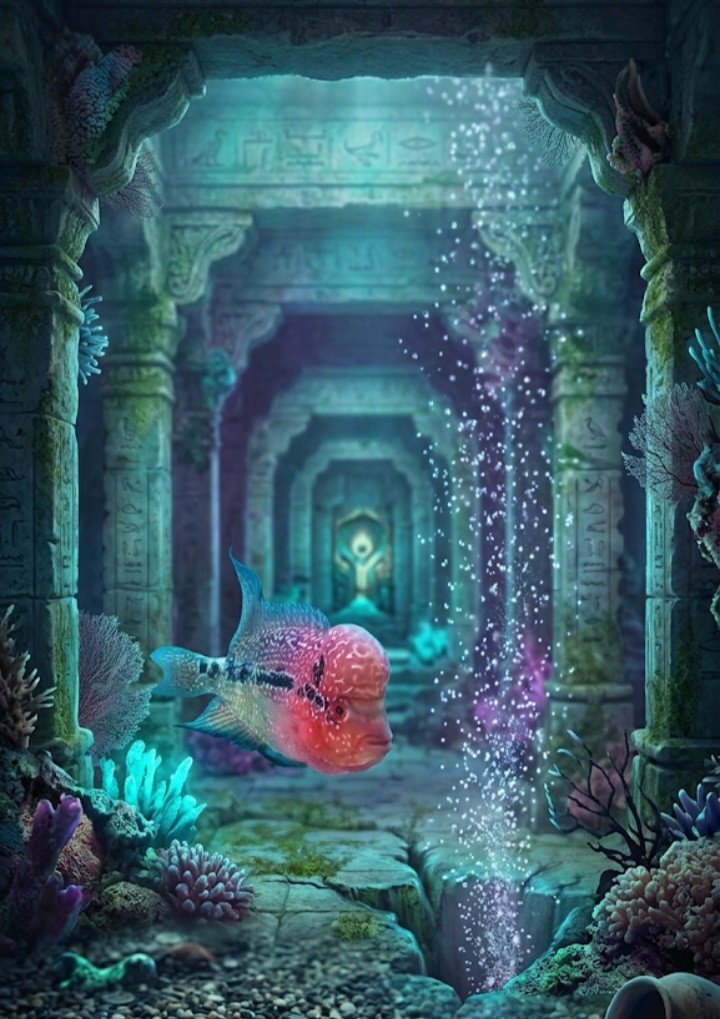
Flowerhorn Cichlid
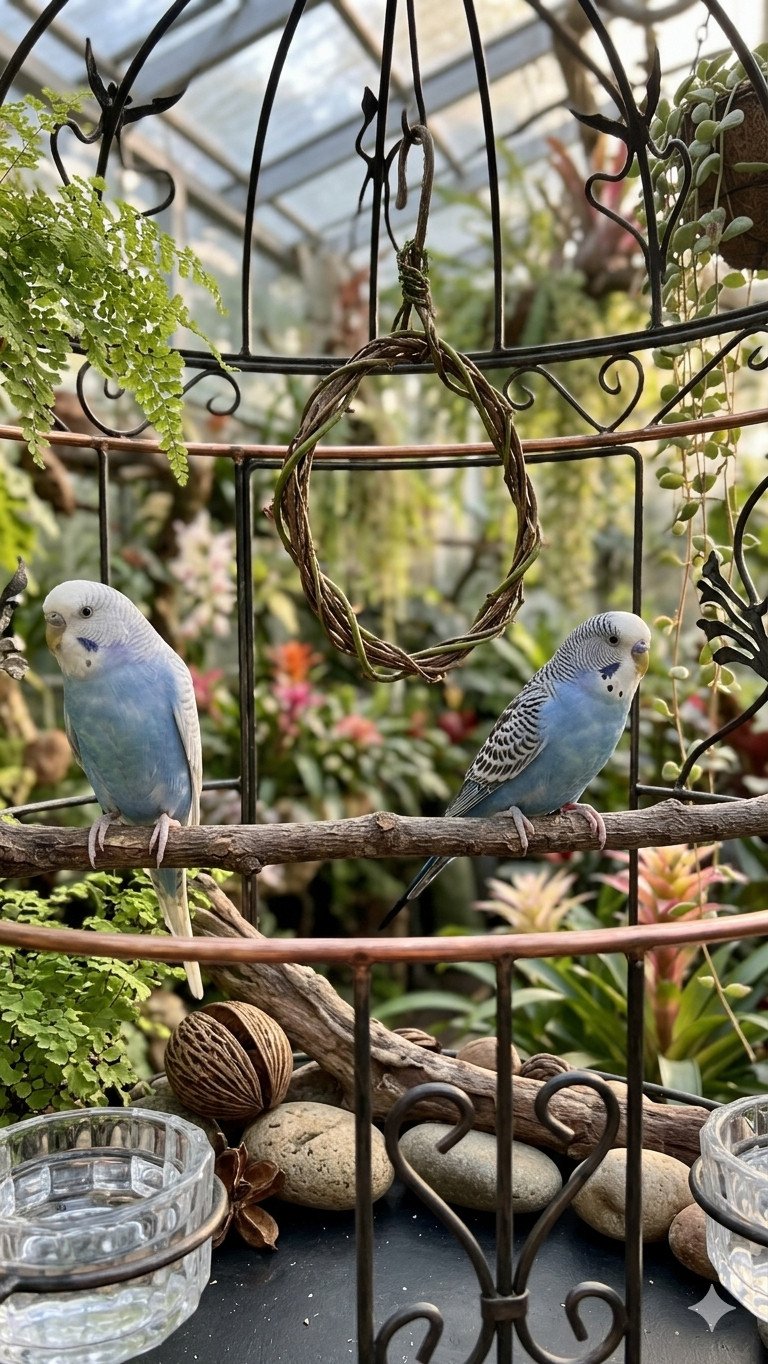
The Verdant Aviary Sanctum
Products from this Seller
View All
Optimum Color-Boost Mini Pellets
Optimum Aqua Premium Fish Food
Optimum Aqua-Pure Nutritious Aquarium Diet
Optimum Premium Aquarium Fish Food
Optimum 3 in 1 Super Premium Fish Food
Optimum 3-in-1 Super Premium Koi & Goldfish Diet
Birdie's Premium Mix Millets Daily Diet
Birdie’s Premium Sunflower Seed Treat
Optimum Cichlid Quick Red Color-Enhancing Diet
Optimum Micro Pellet Small-Mouthed Tropical Diet
Taiyo Bits Complete Premium Discus Granules



Share with Friends
Trading is more effective when you share products with friends!Share you link
Share to