








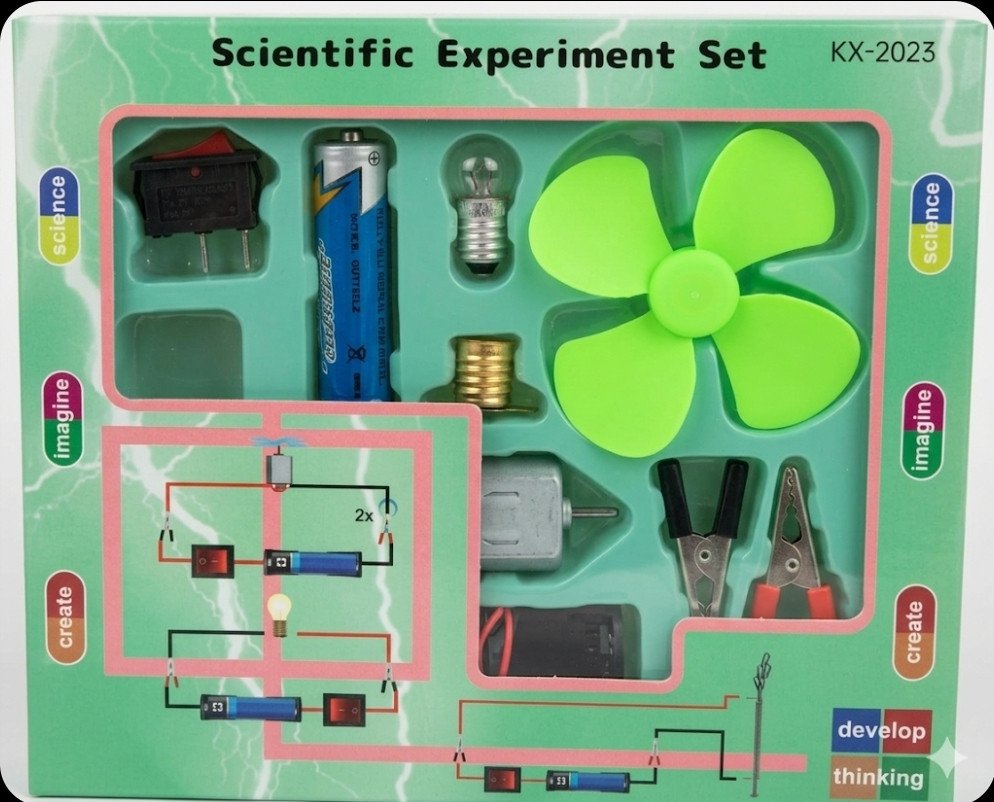
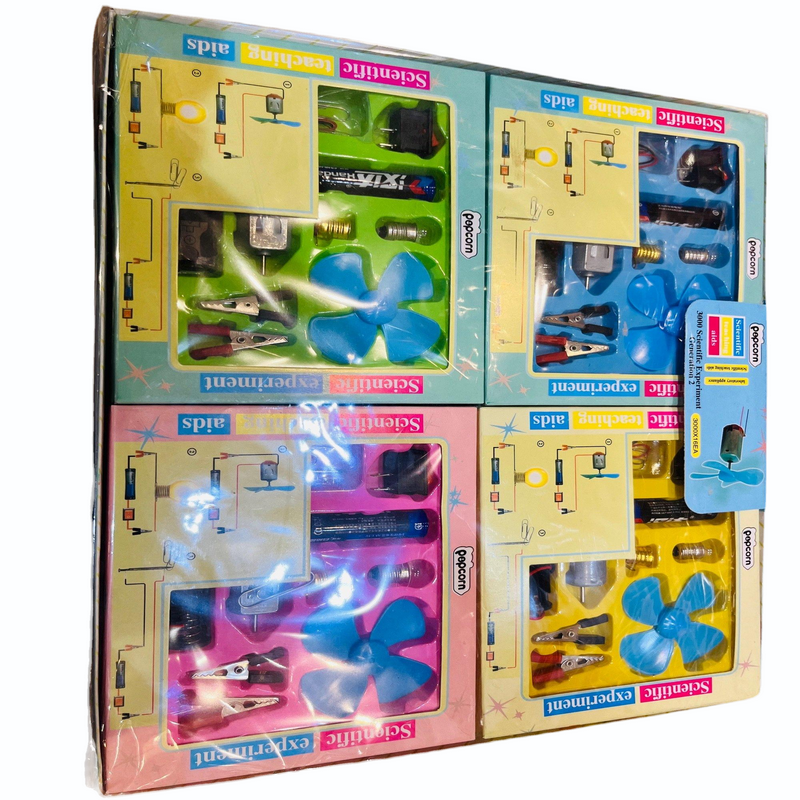
an introductory educational kit designed to teach the fundamentals of basic circuitry and electromagnetism. It uses a hands-on approach to demonstrate how electrical energy is converted into kinetic energy (motion) and light.
Component Breakdown
The kit includes several modular parts that allow for the construction of simple "open" and "closed" circuits:
- Power Source: A standard AA battery to provide the direct current (DC) needed for the experiments.
- DC Motor: A small motor that converts electrical energy into mechanical rotation.
- Propeller (Fan): A four-blade green plastic fan that attaches to the motor shaft to demonstrate airflow and kinetic energy.
- Light Bulb & Socket: A small incandescent bulb and a brass screw-in base to demonstrate how electricity can create light (and heat).
- Switch: A red rocker switch used to break or complete the circuit, giving the user control over the flow of electricity.
- Alligator Clips: Spring-loaded metal clips used to create temporary, secure electrical connections between components without needing solder.
How it Works: The Circuitry
The diagram on the front of the box illustrates three primary setups. These diagrams follow the logic of a Series Circuit, where components are connected in a single path.
1. The Fan Circuit
When the battery, switch, and motor are connected in a loop, closing the switch allows current to flow. The magnetic field created inside the motor interacts with its internal magnets, causing the shaft (and the fan) to spin.
2. The Light Circuit
By replacing the motor with the bulb, the electrical energy flows through a thin filament. The resistance of the filament causes it to glow, demonstrating the thermal and luminous effects of electricity.
3. The "Thinking" Component
The bottom diagram suggests a more complex setup, likely involving the use of the clips to test different materials for conductivity. Users can place various household objects between the clips to see if the bulb lights up, teaching them the difference between conductors (like metal) and insulators (like plastic).
Educational Goals
- Understanding Symbols: Helping learners correlate physical objects (a battery) with their schematic representations.
- Troubleshooting: Learning why a circuit might not work (e.g., a loose clip or a dead battery).
- Energy Transformation: Visualizing how energy changes form (Electrical \rightarrow Mechanical or Electrical \rightarrow Light).
Related products
Data Recovery

Famous Car
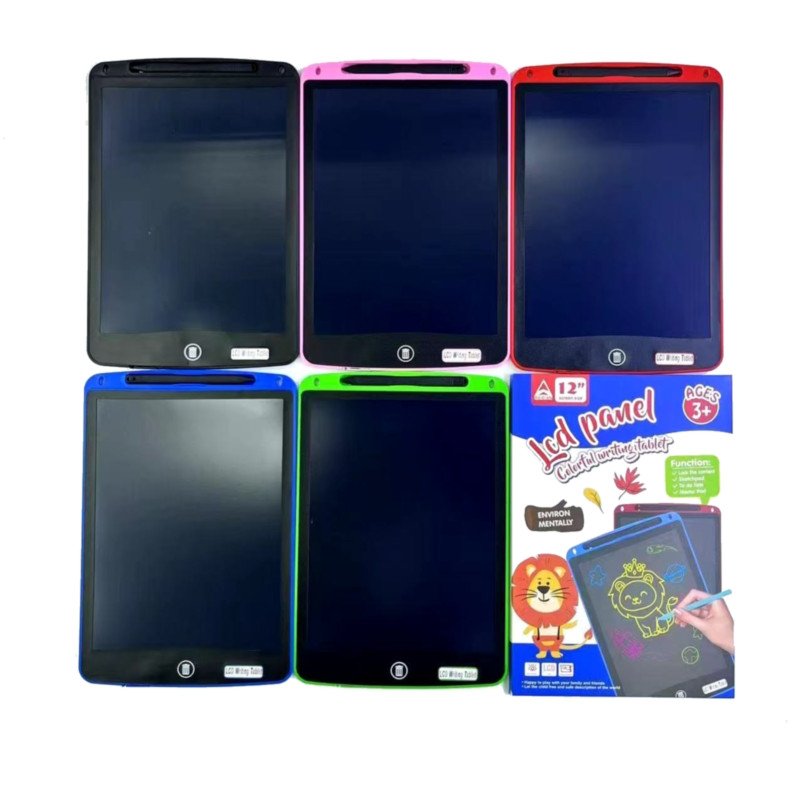
LCD Panel pad

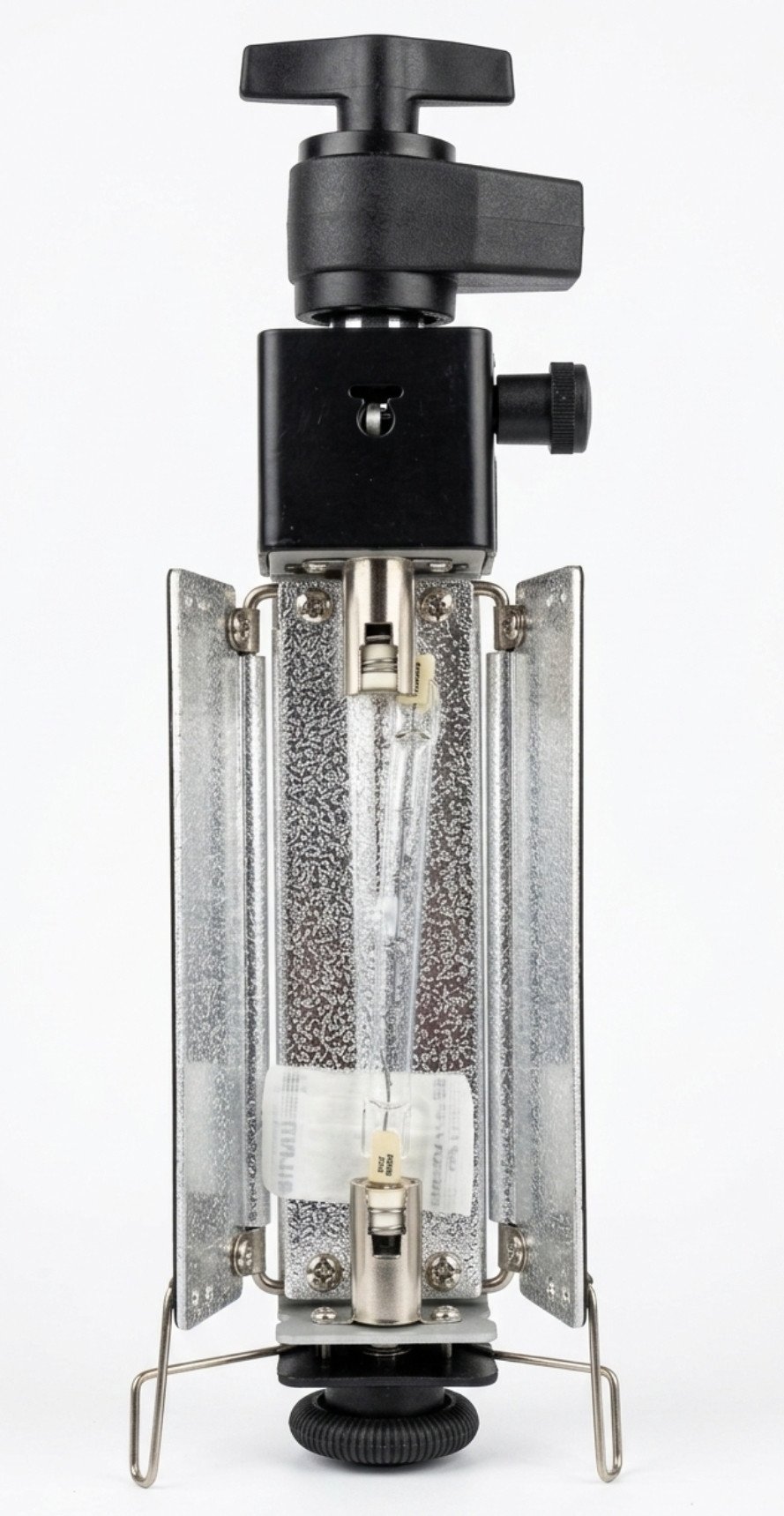
Halogen Redhead Studio Light
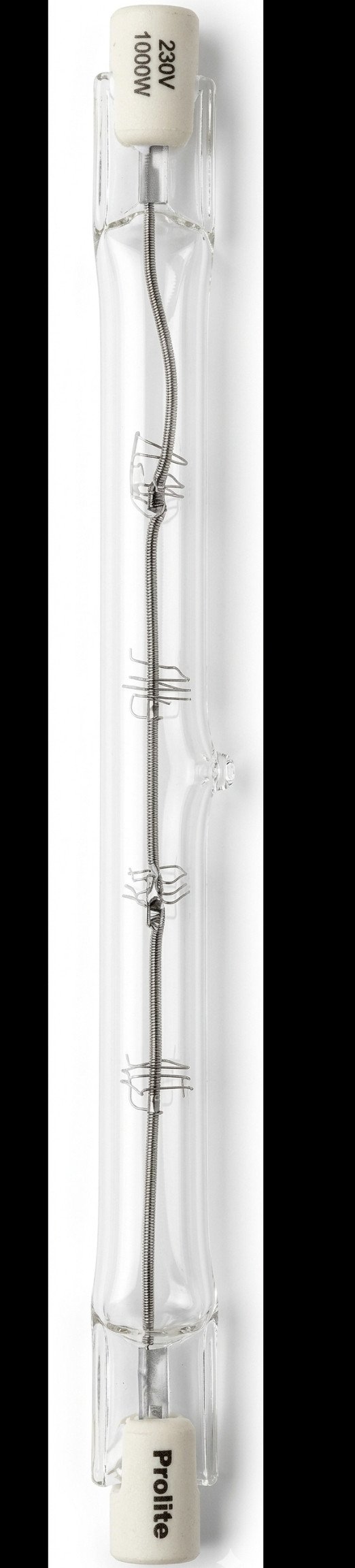
linear halogen heat lamp bulb
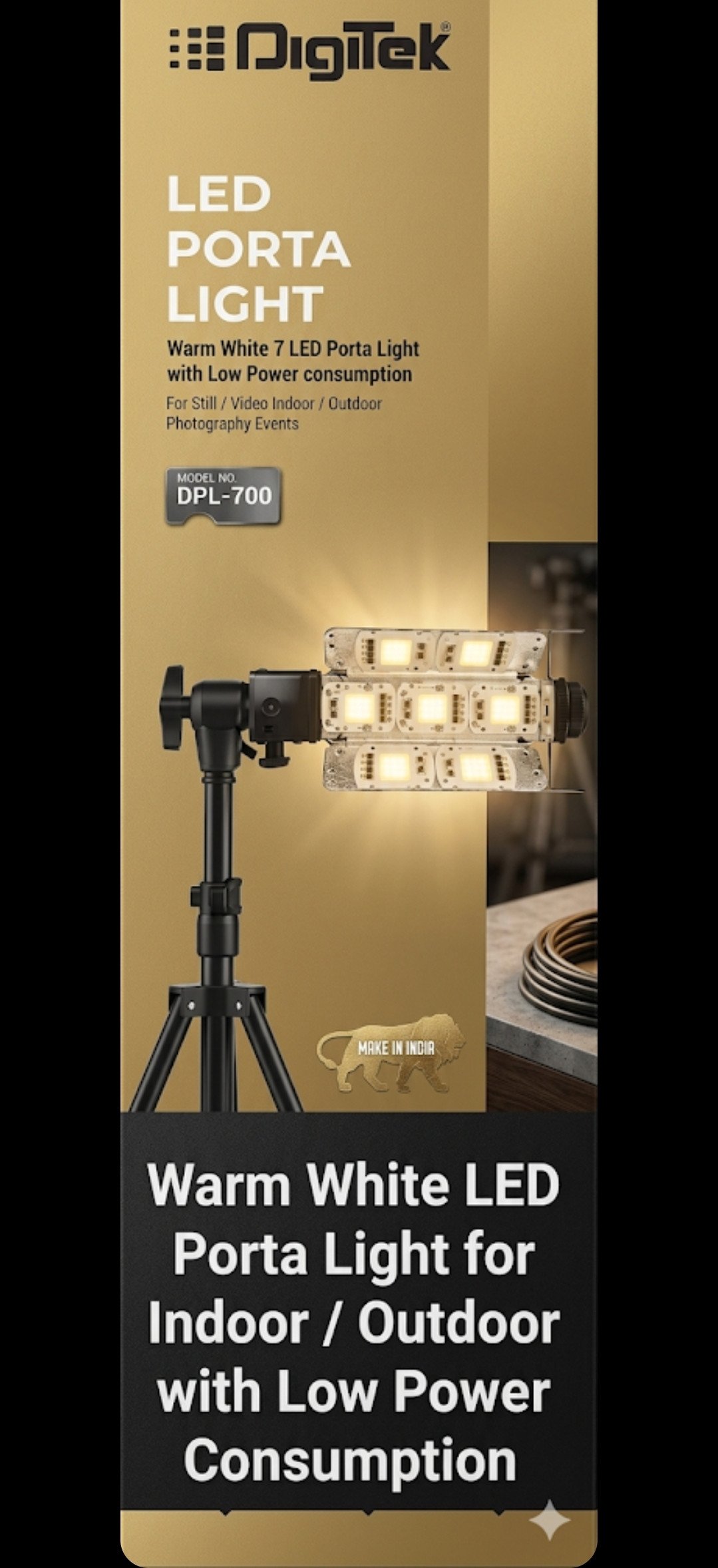
Digitek LED Porta Light (Model No. DPL-700).
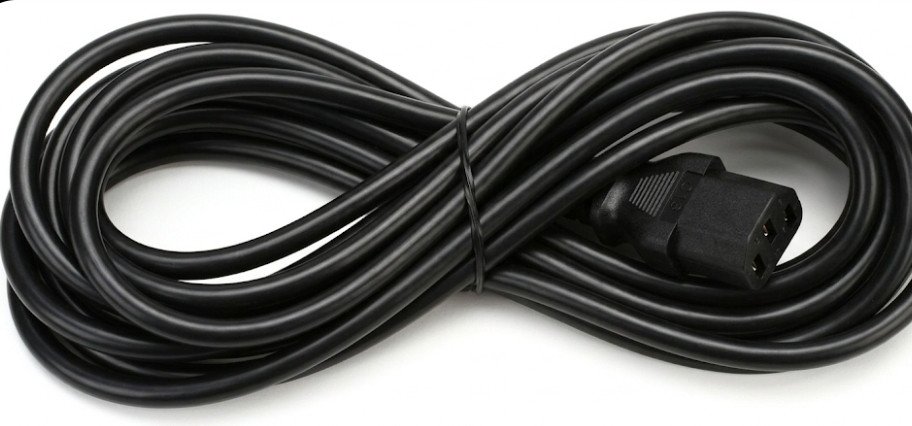
Porta cable 05 meter
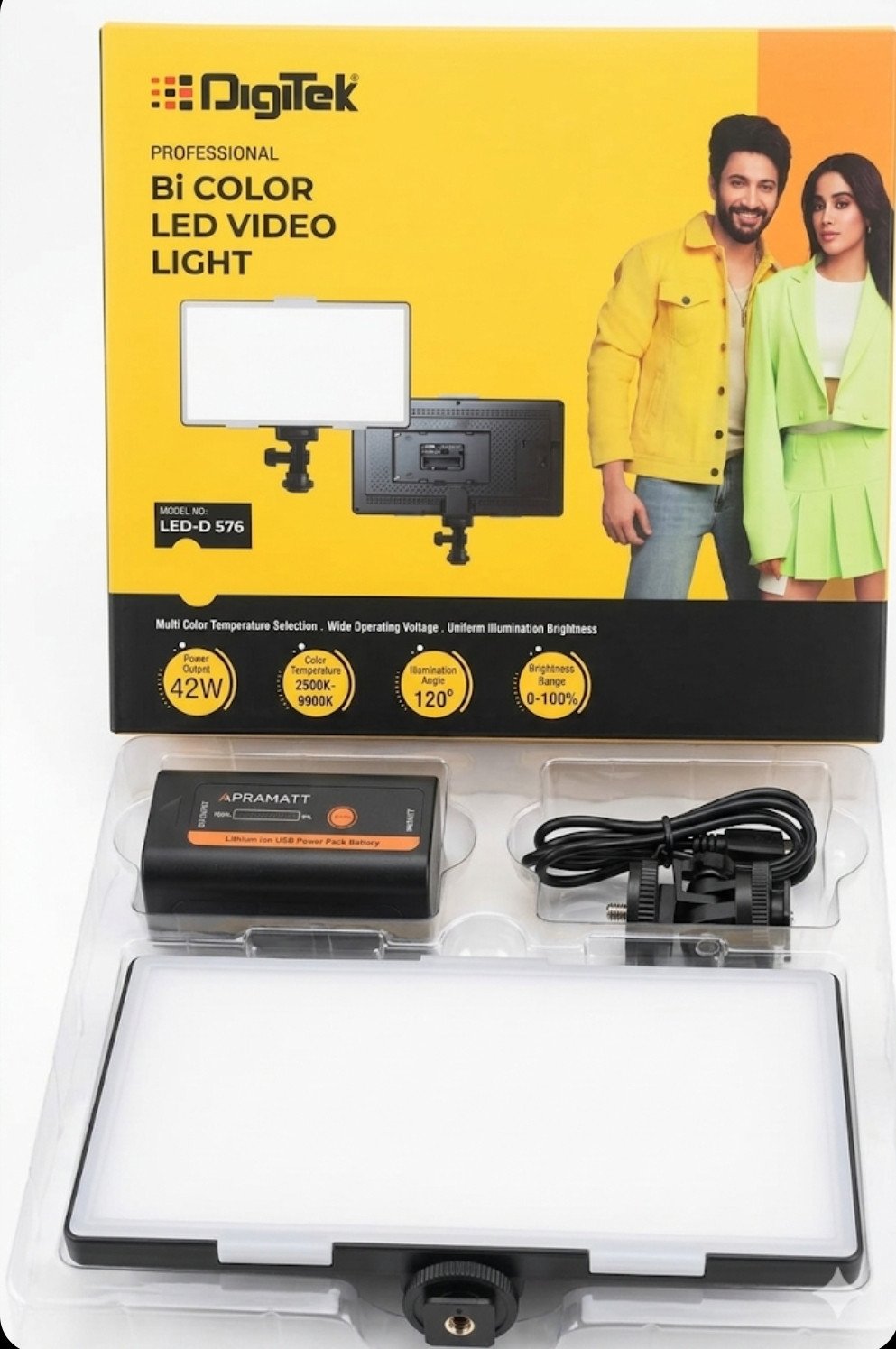
Digitek LED-D 576 Professional Bi-Color LED Video Light
Digitek LED-D 576 Professional Bi-Color LED Video Light

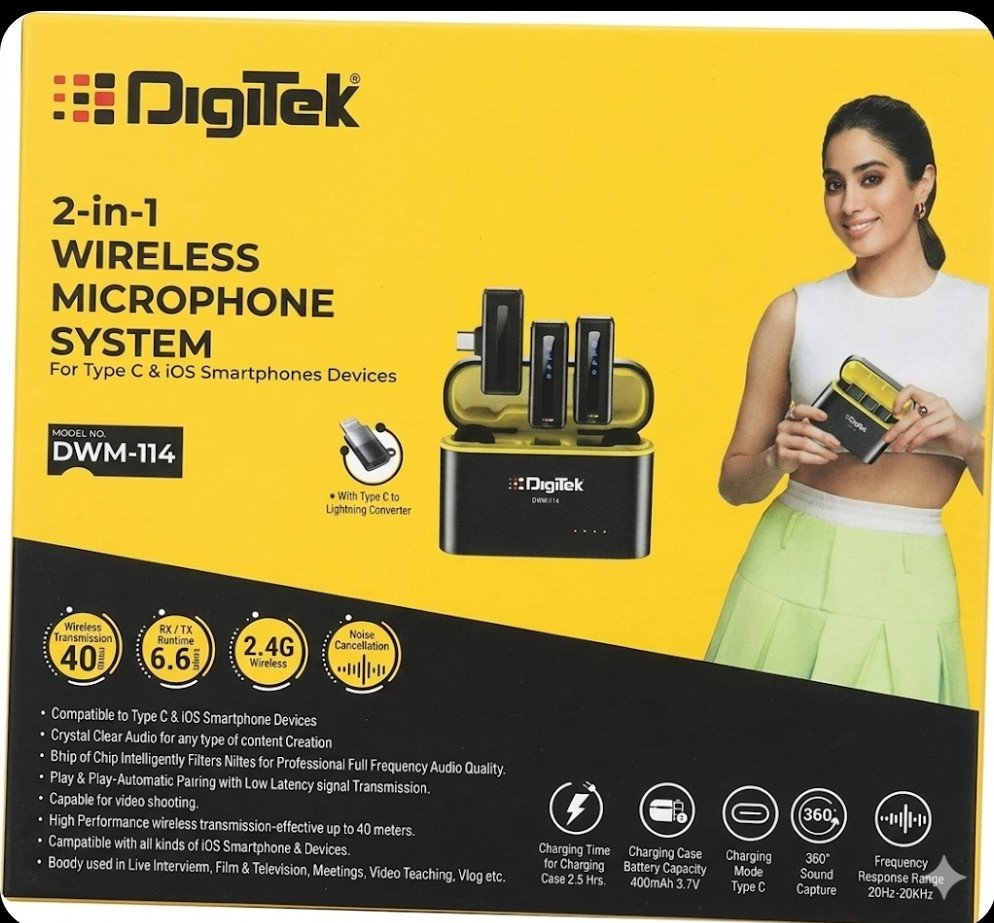
Digitek DWM-114, a versatile 2-in-1 wireless microphone system
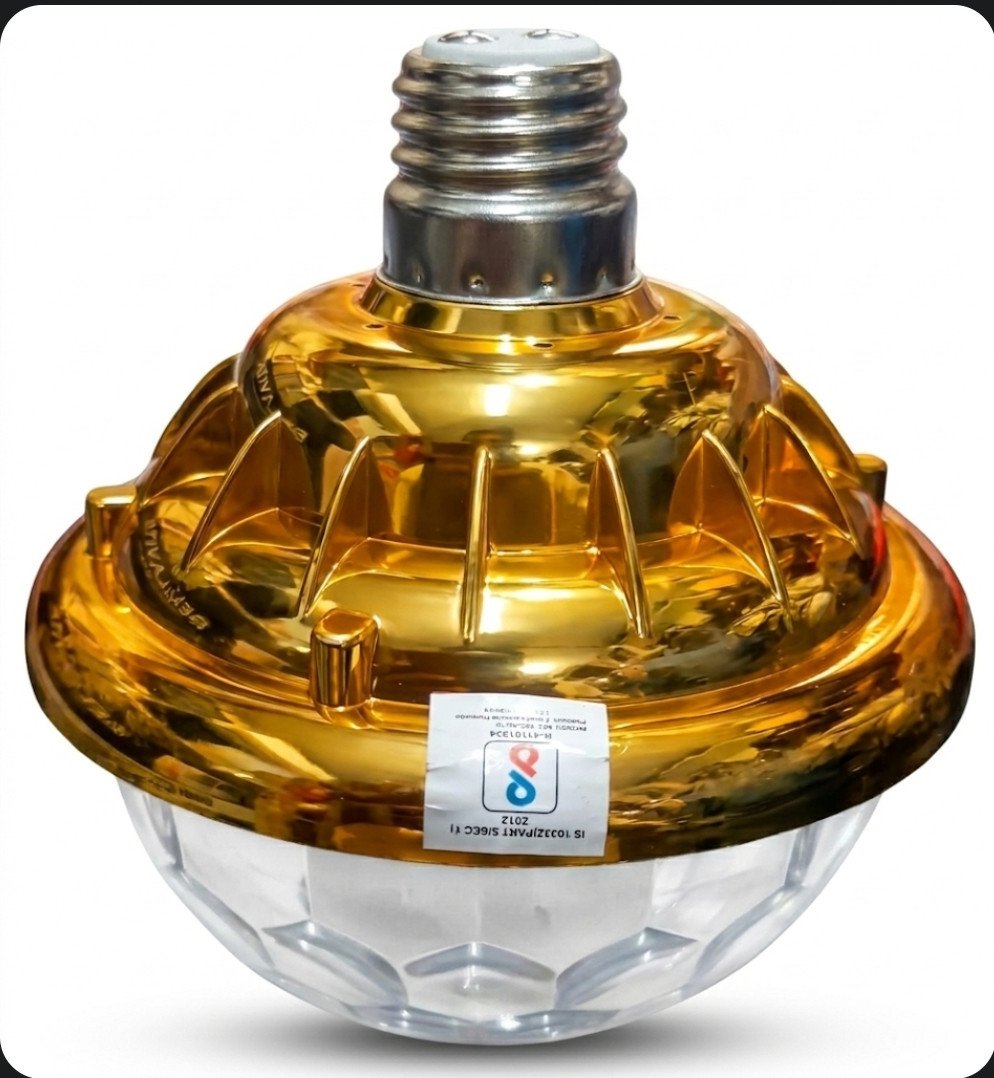
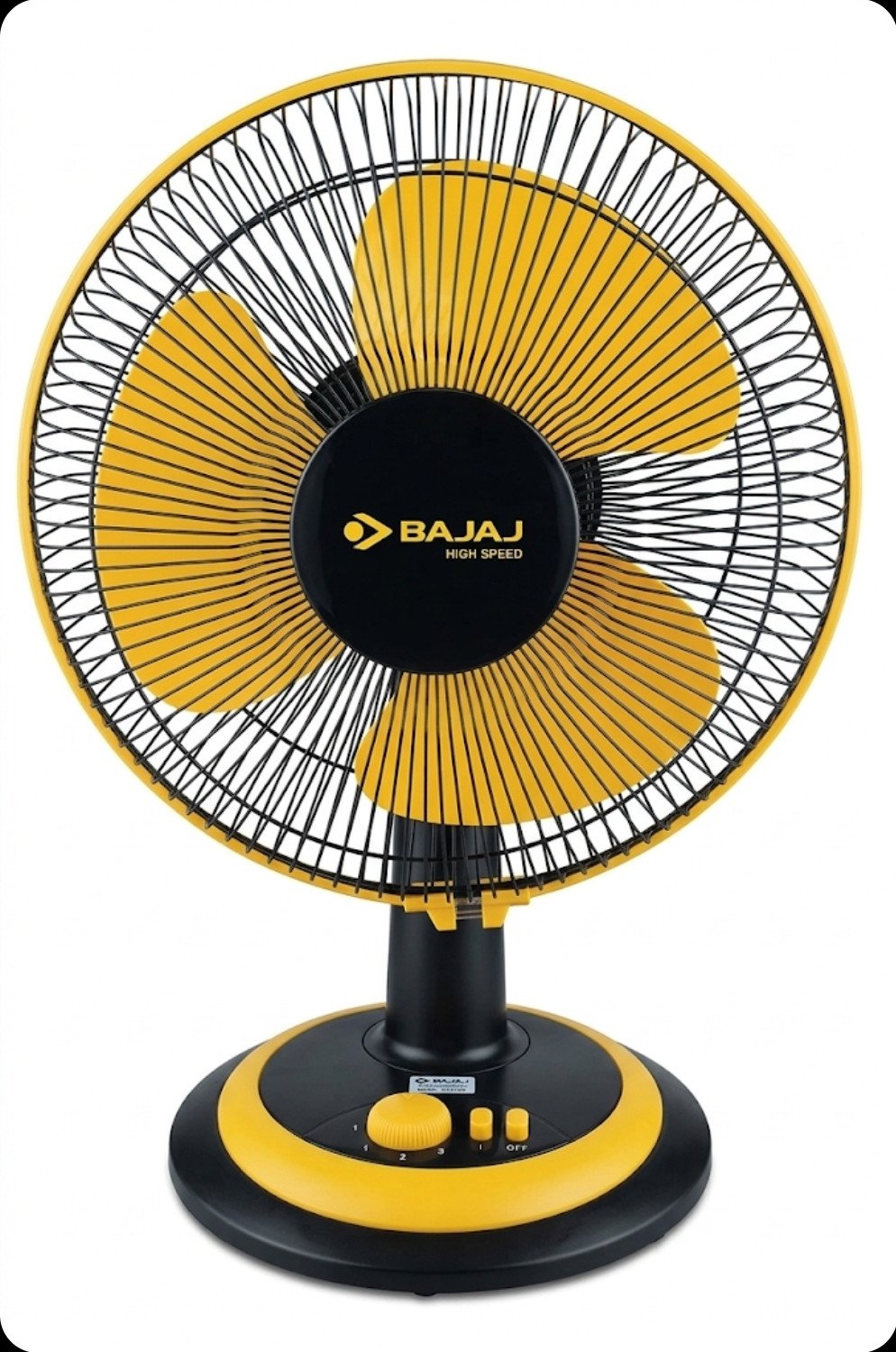
Bajaj High Speed Table Fan
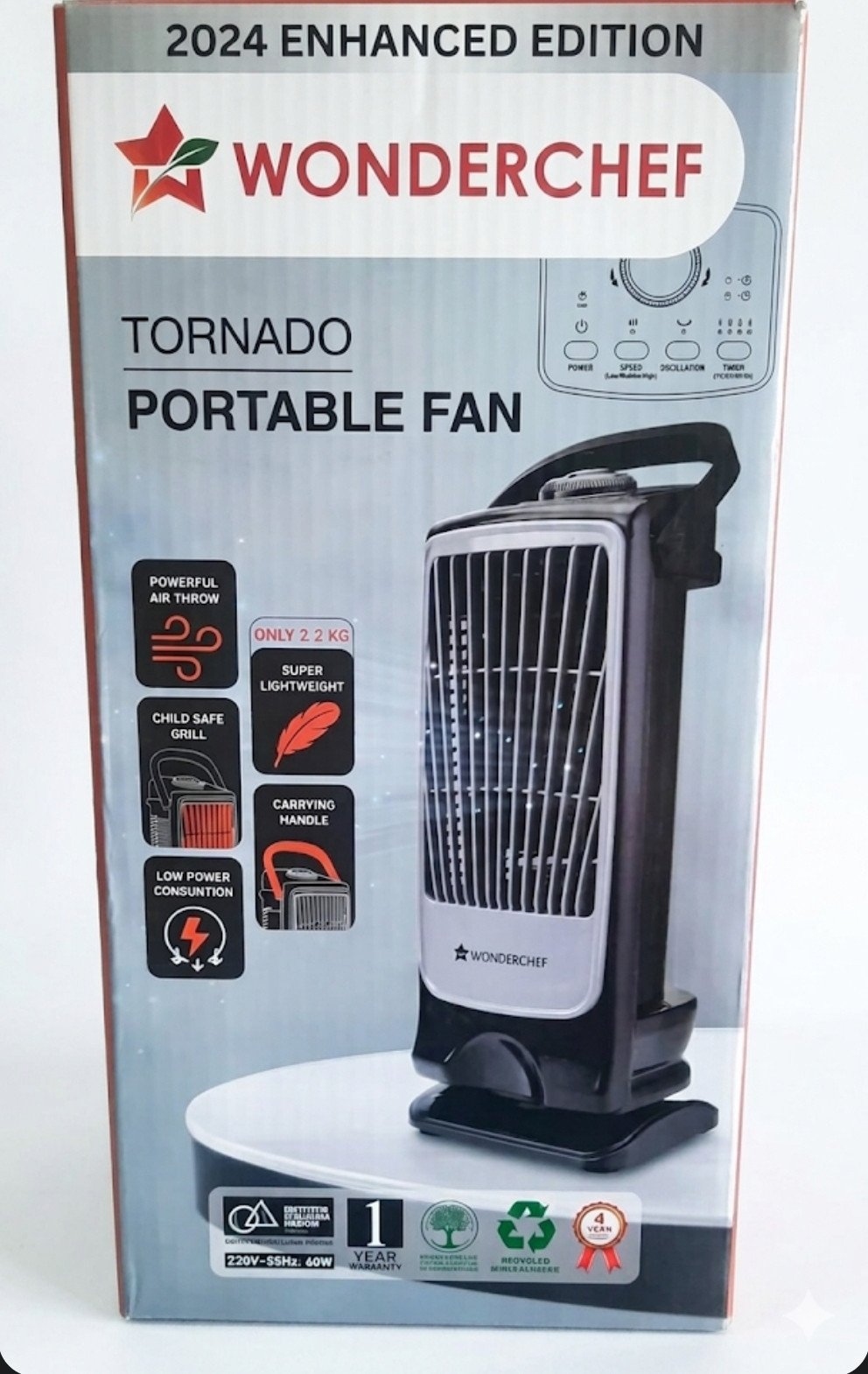
Wonderchef Tornado Portable Fan
Frequently Bought Together
No frequently bought products found!
Products from this Seller
View All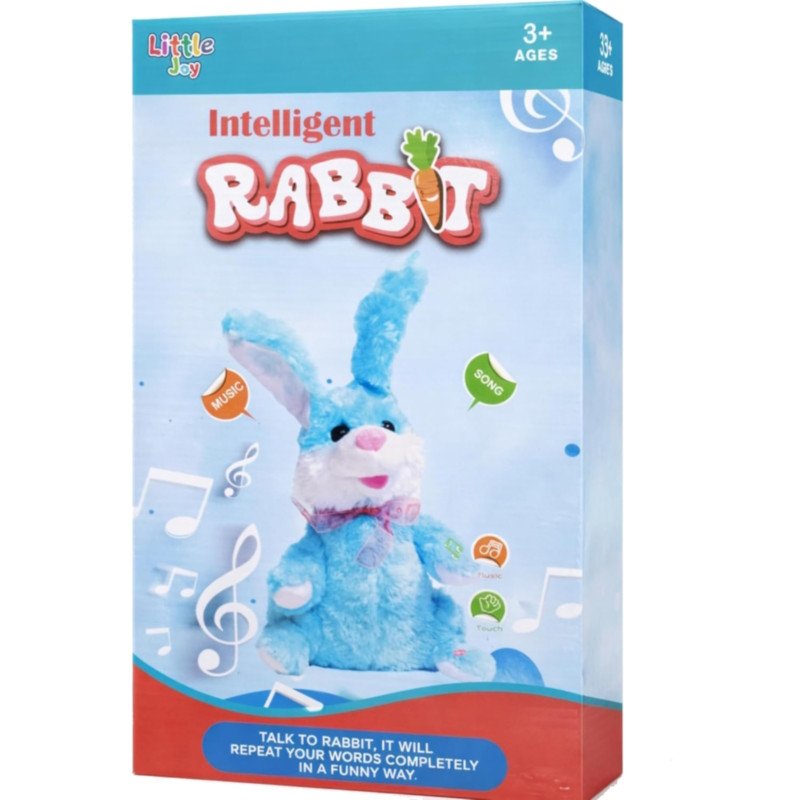
Intelligent Rabbit
Famous Car
LCD Panel pad
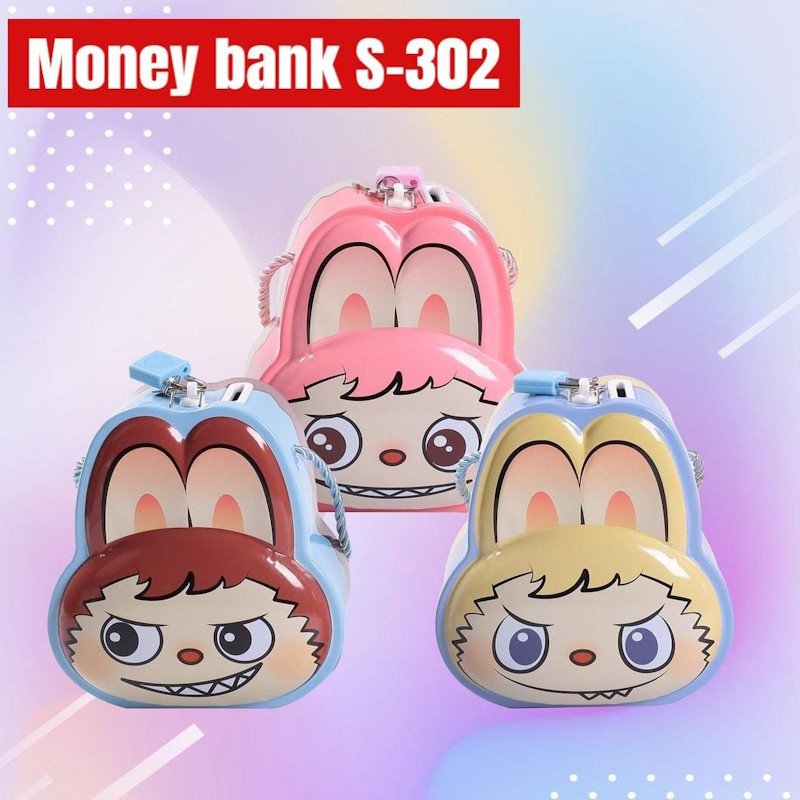
Money Bank
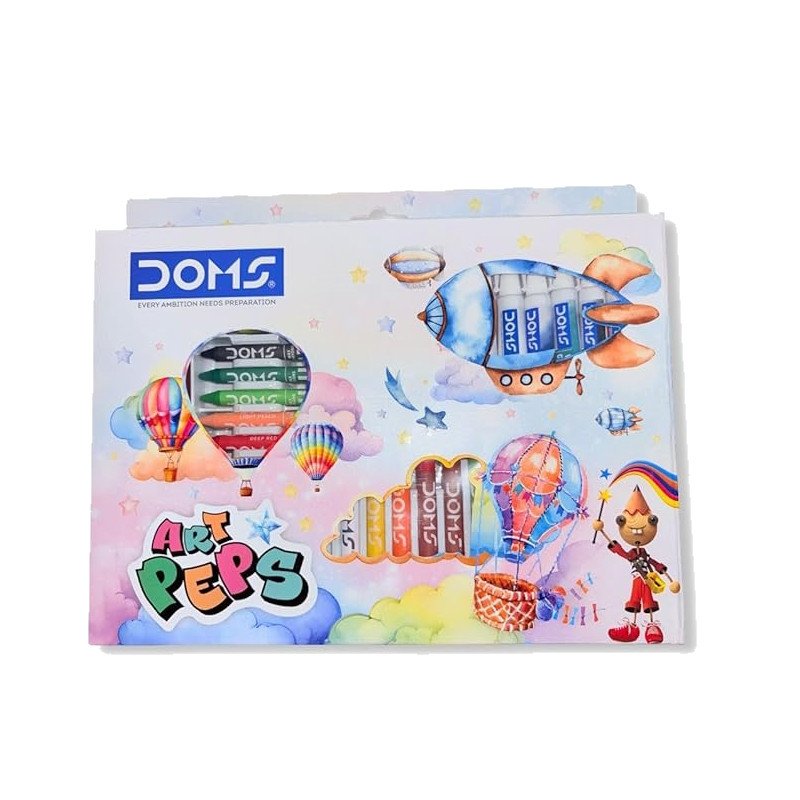
Doms Art Peps Kit
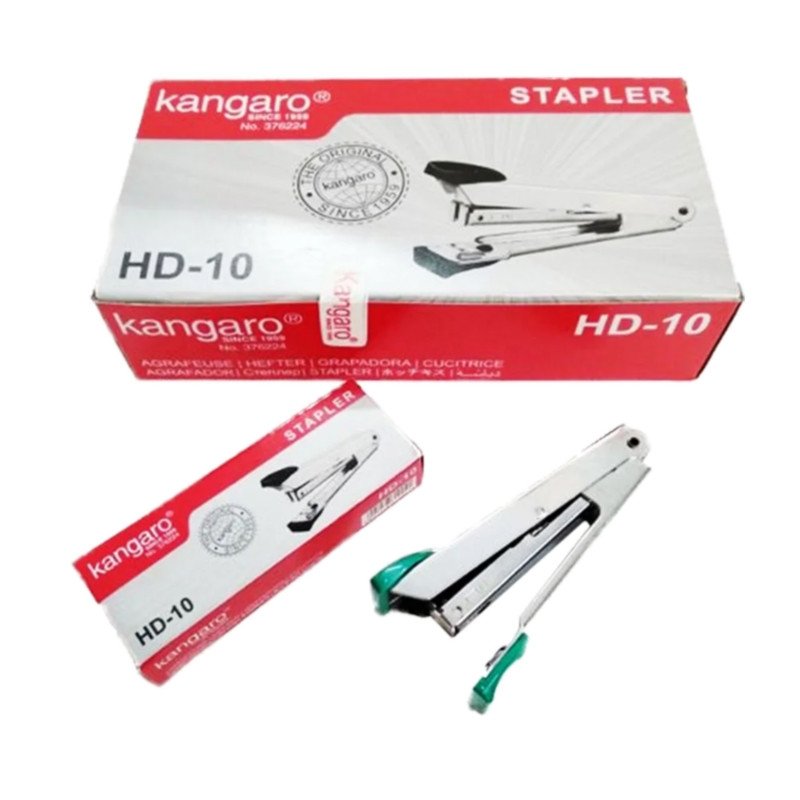
Kangaroo Stapler HD10
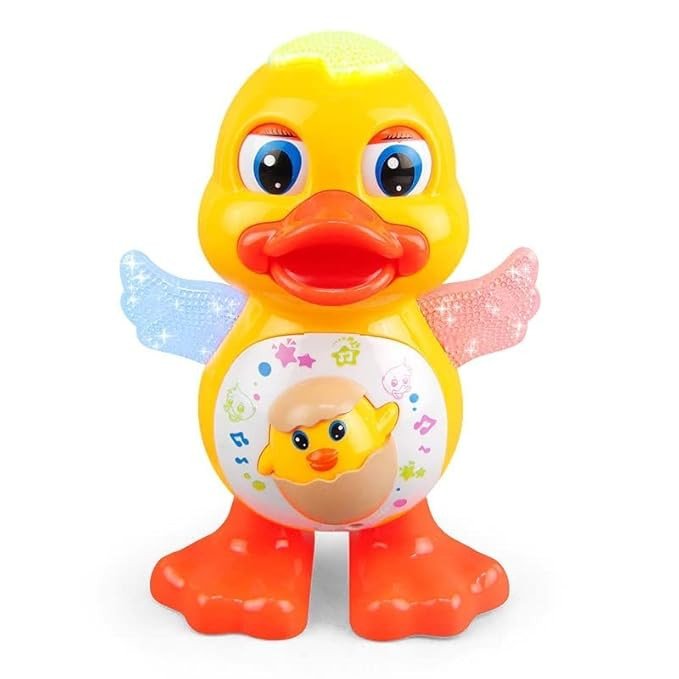
Dancing Duck with Music Flashing Lights
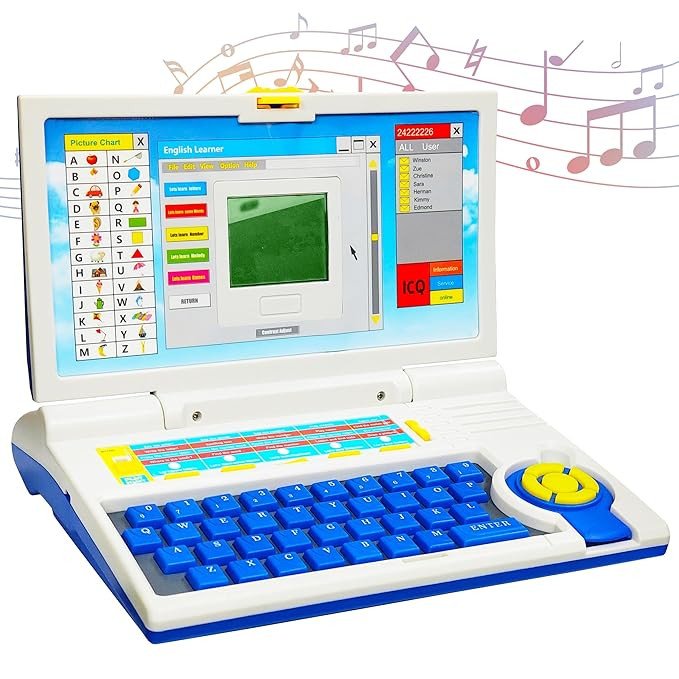
English Learner Notebook with Games - Learn Alphabets, Words, Numbers
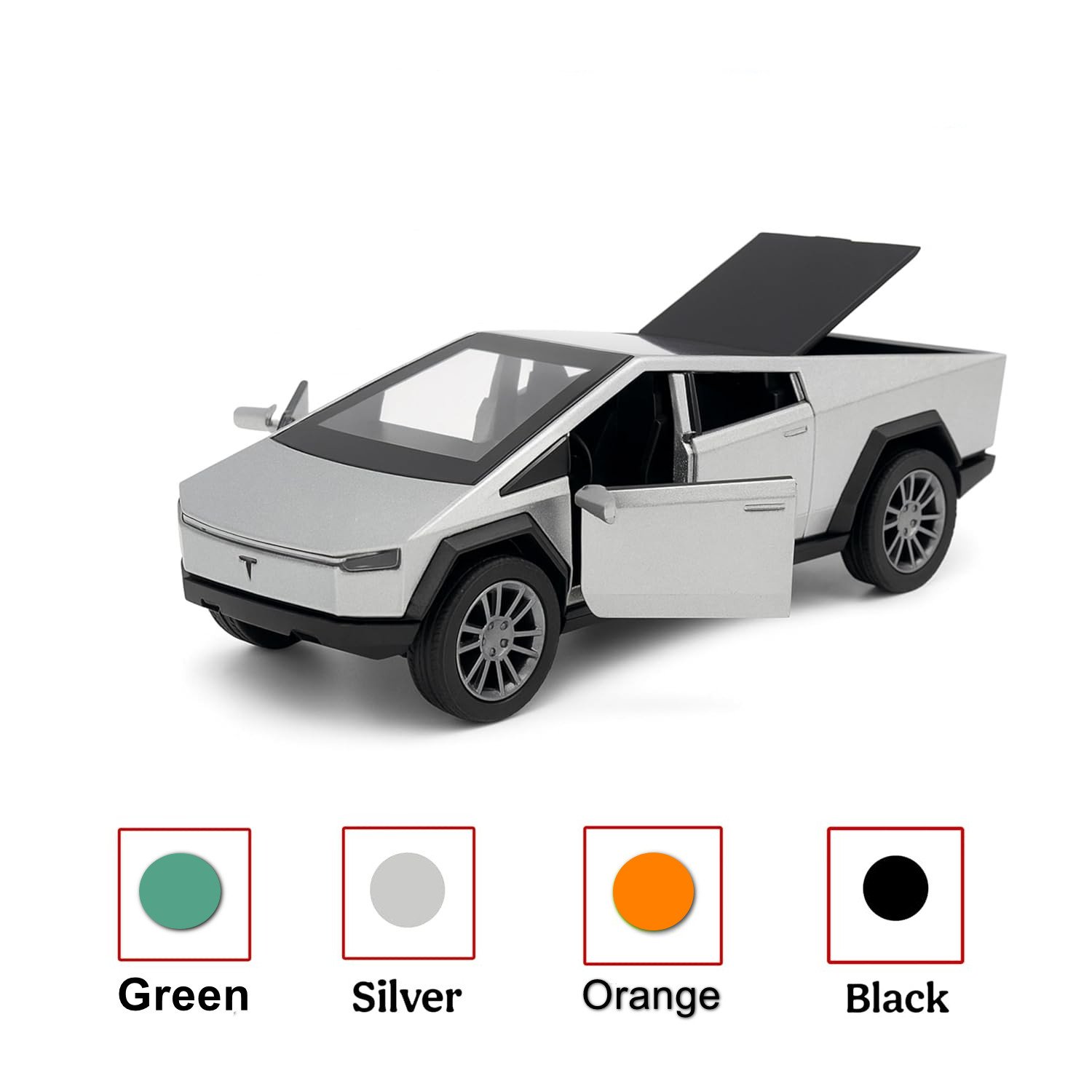
Tesla Cybertruck Toy Car Model KTR
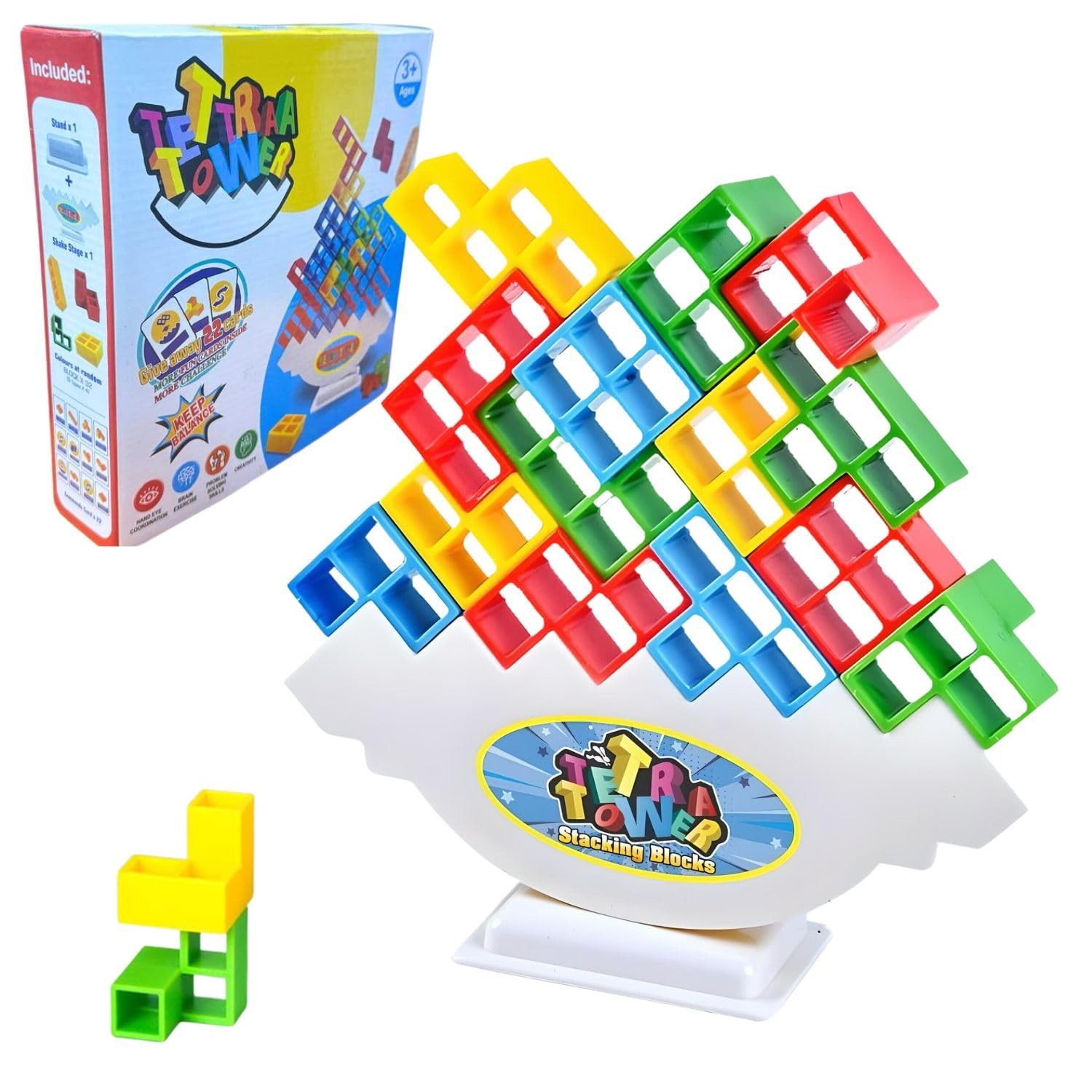
Tetra Tower Stacking Game
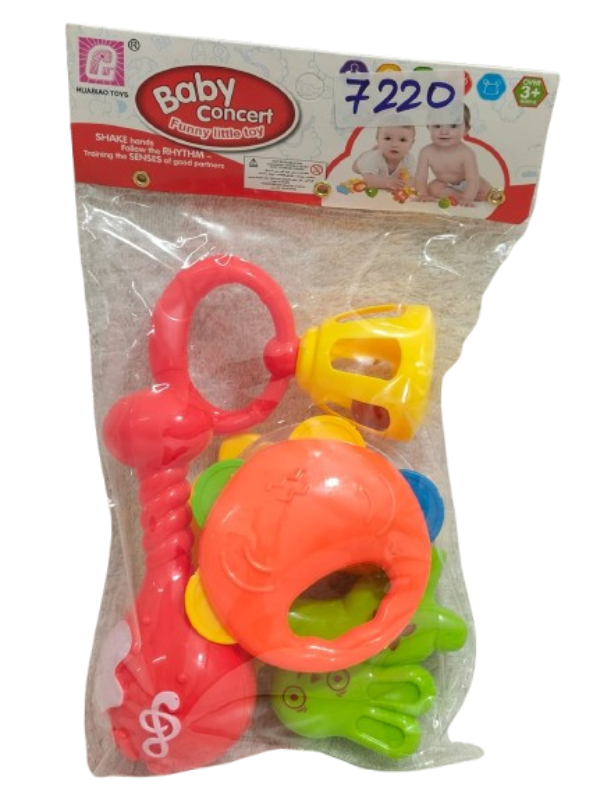
Baby Concert
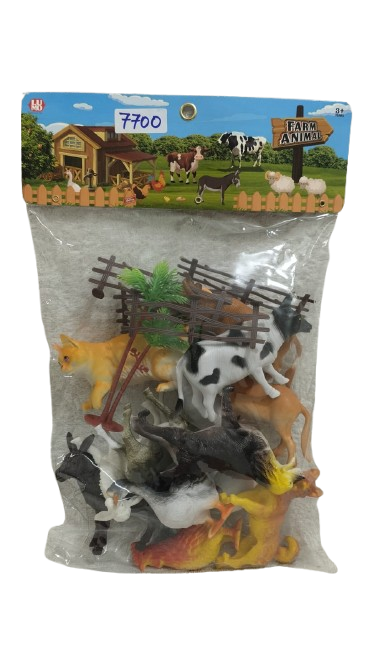
Farm Animal
Thunder Strike Guns
Dancing Rabbit toy
Scientific Experiment Set
Neon Colour Highlighter
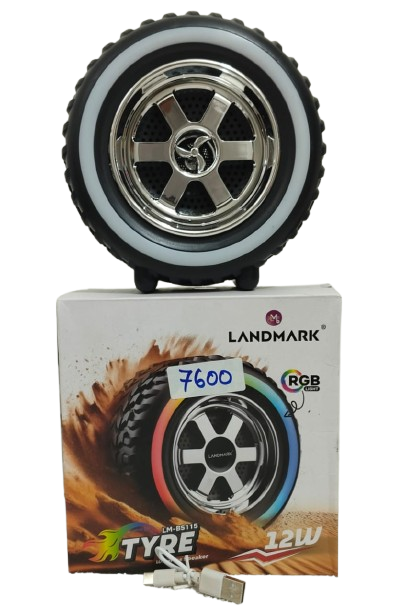
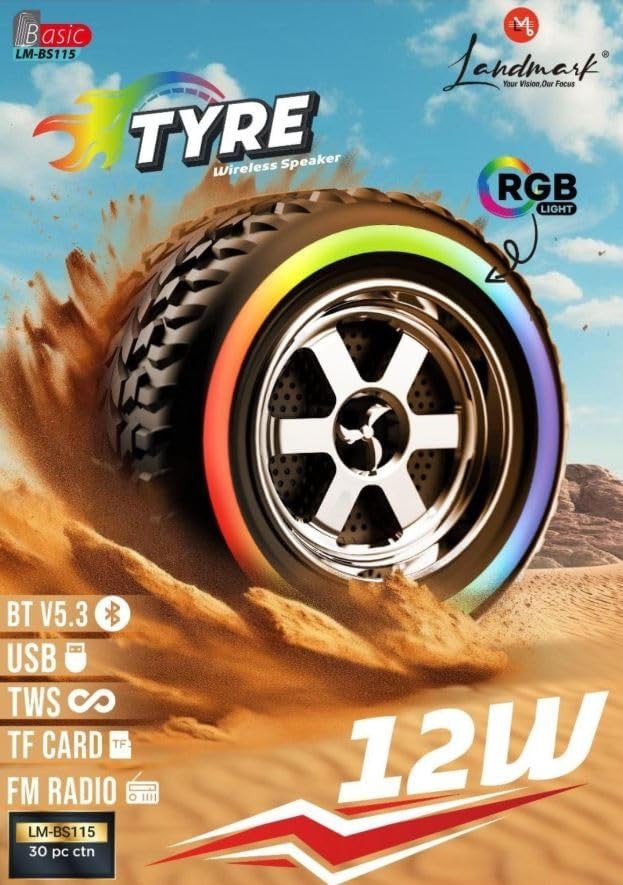
Landmark Tyre toy
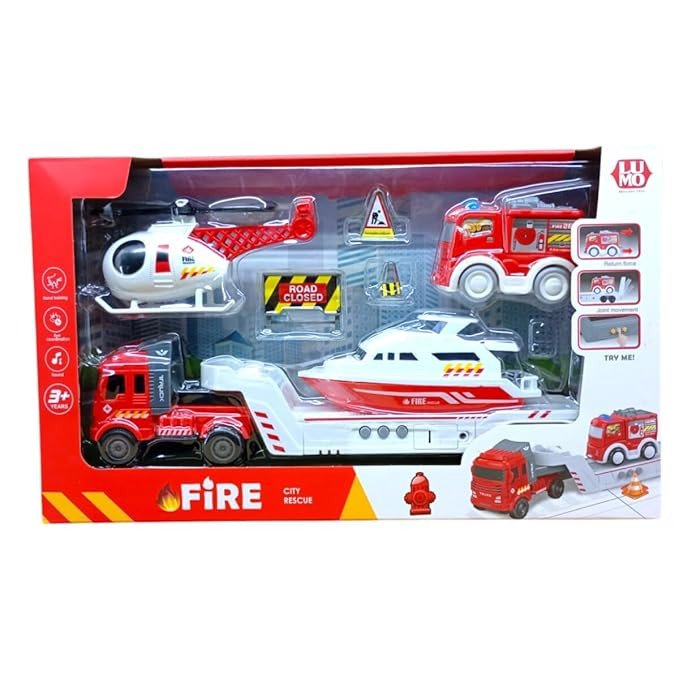
Fire Toy
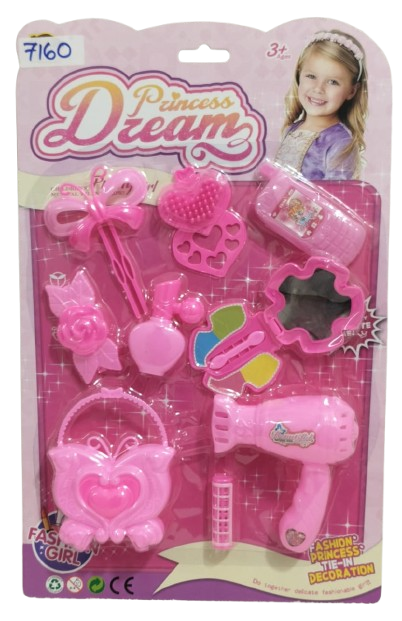
Princess Dream Toy
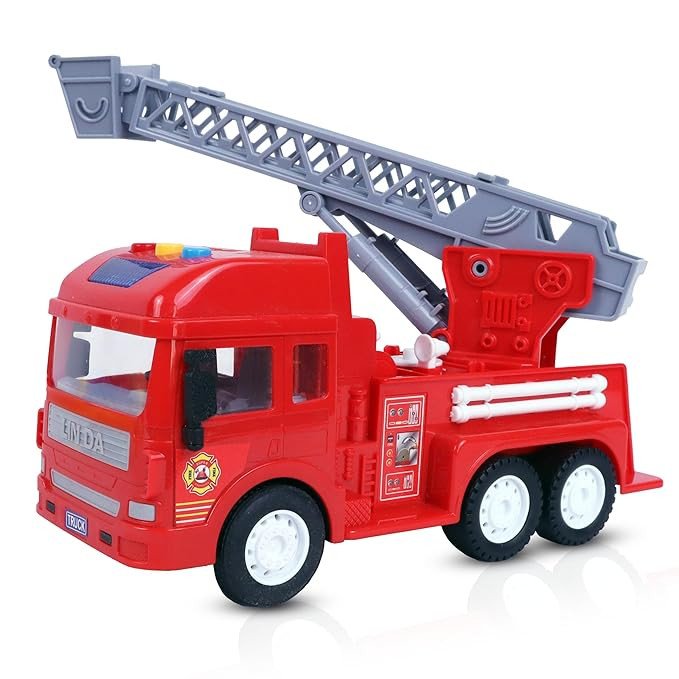
Fire Rescue Truck Toy



Share with Friends
Trading is more effective when you share products with friends!Share you link
Share to